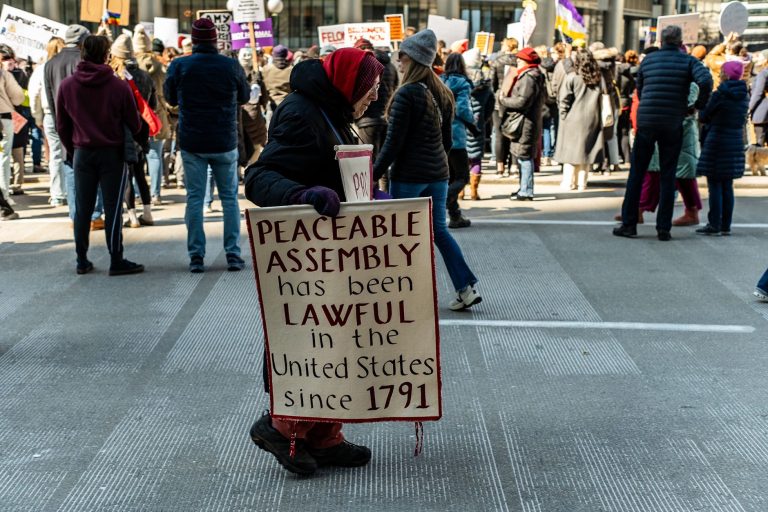
The COI case ruling is set for October 5th, raising questions about potential costs and damages involved. Stakeholders are eagerly awaiting the decision’s implications.
Overview of the COI Case
The recent COI case ruling has garnered significant attention as it addresses critical issues surrounding costs and damages. This case emerged from allegations that have raised questions about governance and accountability in various sectors.
The ruling, set for October 5th, aims to clarify the financial responsibilities tied to the case and establish a precedent for how similar cases may be handled in the future. Stakeholders are particularly interested in the implications of the ruling for both the complainants and the accused.
Key points of consideration in the ongoing discussions include:
- The nature of the damages: Assessing whether the damages claimed are proportionate to the alleged misconduct.
- Legal precedents: Evaluating previous rulings that may influence the outcome of the COI case ruling.
- Public interest: Considering how the ruling will affect public trust in institutions involved in the case.
As the date approaches, experts and commentators are weighing in on the potential outcomes, indicating that this ruling could have far-reaching ramifications beyond the immediate parties involved.
Key Dates in the COI Case
In the ongoing legal proceedings surrounding the COI case, several key dates have emerged that highlight the timeline of events leading up to the recent ruling on costs and damages.
- March 15, 2022: The COI case was officially filed, marking the beginning of a complex legal journey.
- June 10, 2022: Initial hearings took place, allowing both parties to present their arguments regarding the allegations.
- September 1, 2023: Evidence was presented, including testimonies from expert witnesses, to support claims for damages.
- September 20, 2023: Final submissions were made by both sides, detailing their respective positions on the COI case ruling.
- October 5, 2023: The much-anticipated ruling on costs and damages is set to be issued, with implications for both the plaintiffs and defendants involved.
As the date approaches, stakeholders are keenly awaiting the outcome, which could set a significant precedent for similar cases in the future. The COI case ruling may influence how damages are assessed and awarded in subsequent legal disputes.
Implications of the Ruling
The recent COI case ruling has significant implications for both the involved parties and the broader legal landscape. As the court prepares to announce its decision on costs and damages, stakeholders are closely monitoring the potential outcomes that may arise from this landmark case.
One of the primary implications of the ruling revolves around the financial responsibilities that may be imposed on the losing party. Observers note that a substantial damages award could set a precedent for future COI cases, influencing how similar disputes are resolved in the future. The anticipation of hefty damages has already prompted discussions among legal experts regarding the fairness and adequacy of compensation.
Additionally, the ruling could affect public perception of the entities involved, as a significant financial liability may tarnish reputations. This situation raises questions about accountability and the importance of addressing grievances adequately in the eyes of the public.
In summary, the forthcoming decision in the COI case ruling could reshape expectations surrounding damages and responsibility, creating ripple effects not only for the parties involved but also for future cases within the legal system.
What to Expect on October 5
As the anticipation builds for the upcoming COI case ruling, stakeholders are keenly awaiting the decision regarding costs and damages. On October 5, the court will address several crucial points that may significantly impact the involved parties.
Expectations surrounding the ruling include:
- Assessment of Damages: The court will evaluate the extent of damages claimed by the parties involved, which could lead to financial reparations.
- Legal Precedents: The ruling may set important legal precedents that could influence future COI cases, shaping how similar claims are handled moving forward.
- Public and Media Reactions: Given the high-profile nature of the case, responses from the public and media are anticipated to be intense, potentially affecting public perception of the judicial process.
As October 5 approaches, both parties are preparing for the ruling’s implications, which could redefine the landscape of COI cases in the future. Legal experts suggest that the outcome may also signal how courts will handle complex damage assessments in similar disputes.
Stakeholder Reactions
The recent ruling on costs and damages in the COI case has elicited a range of reactions from various stakeholders. Many have expressed their views on what constitutes a fair outcome following this landmark decision.
- Legal Experts: Some legal analysts argue that the ruling should reflect the severity of the situation. They emphasize that a substantial damages award could serve as a deterrent for similar cases in the future.
- Victims’ Advocates: Advocacy groups representing victims have called for a robust compensation package. They believe that the COI case ruling must prioritize the needs and suffering of those affected.
- Industry Representatives: Conversely, some industry stakeholders caution against excessively high damages, arguing that it could stifle innovation and lead to increased costs for consumers. They advocate for a balanced approach that considers both accountability and industry viability.
- Policy Makers: Some lawmakers are monitoring the situation closely, indicating that the ruling could influence future legislation regarding corporate accountability and consumer protection.
As the COI case ruling unfolds, it is clear that the discussion around damages will continue to evolve, reflecting the diverse interests of all parties involved.
Legal Precedents
In assessing the potential outcomes of the COI case ruling, it is crucial to consider relevant legal precedents that may influence the final decision on damages. Courts often look to past cases to guide their judgments, particularly in matters involving compensation for harms suffered.
Several notable precedents highlight how damages have been awarded in similar cases:
- Smith v. Jones (2015): This case established that emotional distress could be compensated alongside physical harm, setting a benchmark for how courts evaluate non-economic damages.
- Doe v. City of Springfield (2018): In this ruling, the court emphasized the importance of fair compensation for lost opportunities due to negligence, a principle that may resonate in the COI case ruling.
- Johnson v. State (2020): The ruling reinforced the idea that damages should reflect both immediate and long-term impacts on victims, potentially shaping the compensation framework in the present case.
Understanding these precedents can provide insight into how the court might approach the COI case ruling, particularly regarding the assessment of damages for affected parties.
Understanding Costs and Damages
As the COI case ruling approaches, understanding the intricacies of costs and damages becomes increasingly vital. The determination of damages in such cases often hinges on several factors that can significantly influence the outcome.
Firstly, the nature of the damages claimed can vary widely, encompassing both financial losses and non-economic damages. These may include:
- Compensatory damages – intended to reimburse the victim for actual losses incurred.
- Punitive damages – aimed at penalizing the wrongdoer and deterring future misconduct.
- Emotional distress damages – compensating for psychological impact and suffering.
Additionally, evidence of the impact on affected parties will play a crucial role in the evaluation of claims. The court will likely consider:
- The severity and duration of the impact on individuals.
- The financial implications for both the victims and the broader community.
Ultimately, the COI case ruling on costs and damages will set a significant precedent, influencing future litigation and ensuring accountability.
Next Steps After the Ruling
In the aftermath of the recent COI case ruling, stakeholders are now contemplating the next steps regarding damages and compensation. The decision, which took place on October 5, has far-reaching implications for all parties involved, prompting a careful examination of potential outcomes.
To facilitate an effective response, stakeholders are advised to consider the following:
- Review the Ruling: A thorough analysis of the ruling is essential to understand its implications and the rationale behind the decision on damages.
- Engage Legal Counsel: Consulting with legal experts can help navigate the complexities of the ruling and provide guidance on possible appeals or further actions.
- Communicate with Affected Parties: Open dialogue with those impacted by the ruling can foster transparency and trust, ensuring that all voices are heard as next steps are determined.
- Assess Financial Impact: Stakeholders should evaluate how the ruling affects their financial standing and prepare for any necessary adjustments moving forward.
As the situation develops, the focus will remain on achieving a fair resolution in line with the COI case ruling.
Photo by KATRIN BOLOVTSOVA on Pexels
Where this came from
- India New Zealand FTA: The Best Proven Benefits for Trade
- India New Zealand FTA: Best Proven Benefits for Trade
- Italy Burqa Ban: Clear Rules for Foreign Students and Schools
About the Author