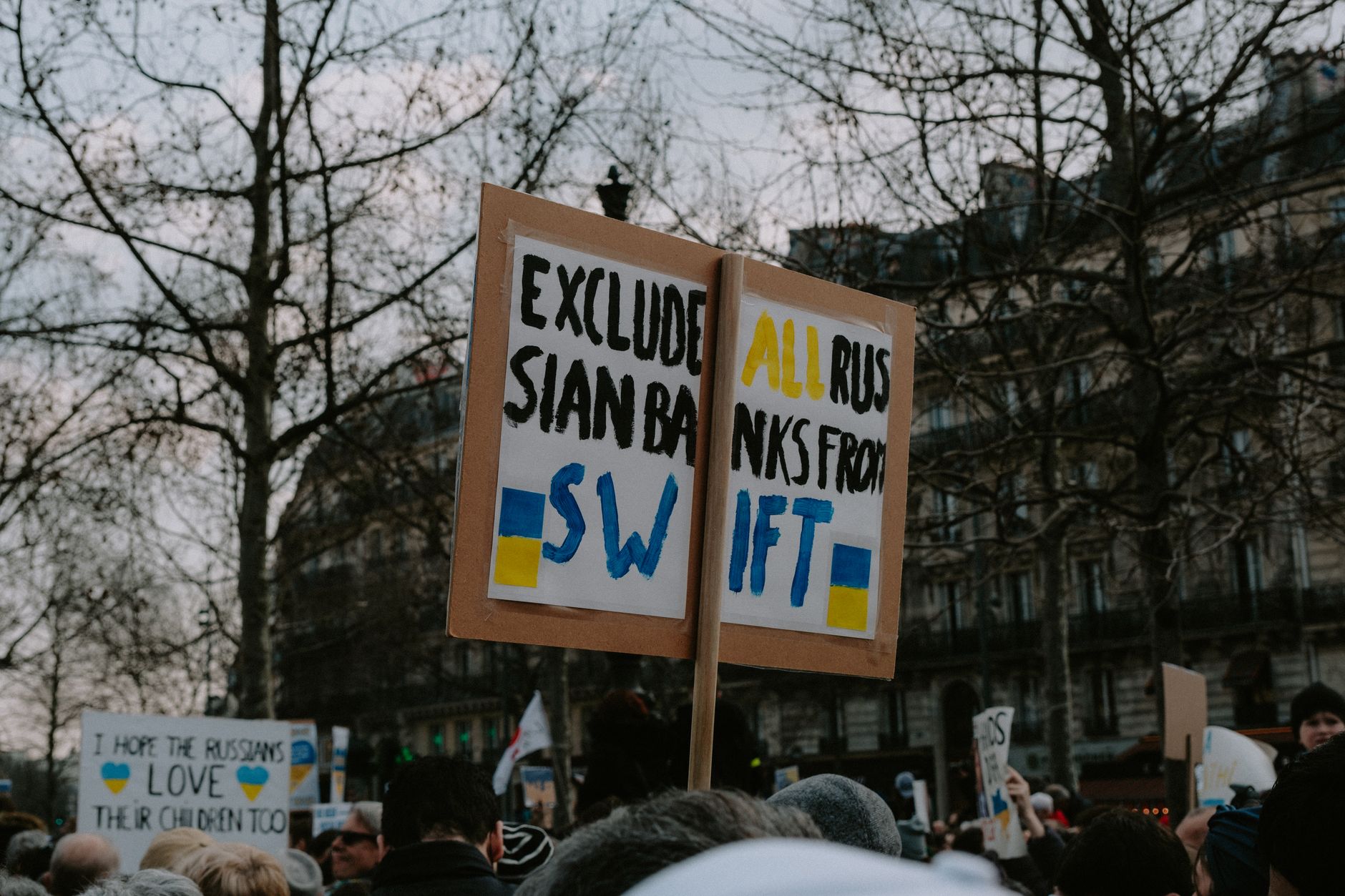
U.S. sanctions law poses a significant threat to India’s huge Russian oil trade. As tensions rise, the implications for both nations’ economies could be profound.
Understanding U.S. Sanctions Law
The recent implementation of the U.S. sanctions law has raised significant concerns regarding its impact on India’s oil trade, particularly with Russia. This law aims to restrict nations from engaging in economic transactions with countries that are under U.S. sanctions, which now includes Russia following its ongoing geopolitical conflicts.
India has been one of the largest importers of Russian oil, taking advantage of discounted prices amidst global supply chain disruptions. However, the new sanctions pose a dilemma for India as it navigates its energy needs while maintaining international relations.
Key points regarding the U.S. sanctions law include:
- The potential for financial penalties on countries that do not comply.
- Increased scrutiny on oil shipments and transactions involving Russian entities.
- The impact on global oil prices and energy security for importing nations.
India’s response to these sanctions will be critical in shaping future trade dynamics.
Impact on India’s Oil Imports
The recent implementation of U.S. sanctions law has created significant challenges for India’s oil imports, particularly concerning its substantial trade with Russia. The potential repercussions of these sanctions could disrupt India’s energy security and economic stability.
India has emerged as one of the largest buyers of Russian oil, taking advantage of discounted prices amid global market fluctuations. However, the U.S. sanctions law threatens to alter this dynamic, pushing India to reconsider its sourcing strategies.
Key impacts on India’s oil imports include:
- Increased Costs: Navigating the sanctions could lead to higher costs as India might seek alternative suppliers.
- Supply Chain Disruptions: The sanctions could result in delays and complications in the procurement process.
- Geopolitical Strain: India may face diplomatic pressures from the U.S. while trying to maintain strong ties with Russia.
Overall, the implications of the U.S. sanctions law are substantial for India’s oil trade strategy.
Geopolitical Implications of Sanctions
The new U.S. sanctions law poses significant geopolitical implications for India’s oil trade, particularly concerning its transactions with Russia. As India seeks to diversify its energy sources, the pressure from the U.S. may lead to strained diplomatic relations. This tension is compounded by India’s strategic partnership with Russia, which has been a longstanding ally.
Several key factors are at play:
- Economic Dependency: India relies heavily on energy imports to meet its growing demand, making it vulnerable to external pressures.
- Regional Stability: The sanctions could shift the balance of power in South Asia, impacting India’s relations with neighboring countries.
- Global Alliances: India’s stance on the U.S. sanctions law may affect its ties with other nations that oppose such measures.
As the geopolitical landscape evolves, India must navigate these complex dynamics carefully to protect its interests in the global oil market.
Historical Context of U.S.-India Relations
The relationship between the U.S. and India has evolved significantly over the decades, influenced by various geopolitical dynamics and economic interests. Initially marked by Cold War alignments, the partnership began to strengthen in the early 21st century, particularly in defense and trade. However, the introduction of the U.S. sanctions law poses a new challenge to this budding relationship.
Historically, India has pursued an independent foreign policy, often prioritizing its national interests over external pressures. This stance has enabled India to develop strong ties with countries like Russia, especially in energy procurement. The recent sanctions legislation could jeopardize these connections, as India seeks to balance its energy needs with its strategic relationship with the U.S.
As India navigates this complex landscape, the implications of U.S. sanctions law may not only affect its oil trade but also reshape the broader geopolitical framework in which these nations operate.
Potential Responses from India
In response to the U.S. sanctions law that threatens its oil trade with Russia, India may consider several strategic options to mitigate the impact. These potential responses could include:
- Seeking Alternative Suppliers: India might accelerate its diversification efforts by exploring oil imports from other countries, reducing dependence on Russian oil.
- Strengthening Bilateral Ties: Strengthening relationships with countries that oppose U.S. sanctions could provide India with more favorable trade terms.
- Negotiating with U.S. Officials: Engaging in diplomatic discussions with U.S. lawmakers to seek exemptions or waivers could be a viable path to protect its energy interests.
- Enhanced Domestic Production: Increasing domestic oil production could serve as a long-term strategy to lessen reliance on imports.
As India navigates this complex situation, the implications of the U.S. sanctions law will play a pivotal role in shaping its future energy landscape.
Future of Russian Oil in Global Markets
The future of Russian oil in global markets remains uncertain, particularly in light of the new U.S. sanctions law that targets nations engaging in significant oil trade with Russia. As countries around the world reassess their energy partnerships, the implications for India could be profound.
India has emerged as one of Russia’s largest oil customers, taking advantage of discounted prices amid the ongoing geopolitical tensions. However, the enforcement of these sanctions could force Indian companies to reconsider their strategies.
Experts suggest that Indian importers may seek to diversify their energy sources to mitigate risks associated with U.S. sanctions law. This shift could lead to:
- Increased purchases from the Middle East and Africa
- Investments in renewable energy initiatives
- Negotiations for more favorable terms with other oil-producing nations
Ultimately, the long-term viability of Russian oil in India’s market will depend on how both nations navigate the evolving regulatory landscape.
Expert Opinions on the Situation
Experts express serious concerns regarding the implications of the new U.S. sanctions law on India’s oil trade, particularly its relationship with Russia. According to Dr. Anjali Mehta, a geopolitical analyst, “The U.S. sanctions law could disrupt not only India’s oil imports but also its broader economic stability.” She emphasizes that the law might push India into a corner, limiting its ability to diversify energy sources.
Moreover, economist Ravi Kumar warns that “India must tread carefully, as the sanctions could lead to increased oil prices and create a ripple effect on global markets.” He suggests that India’s reliance on Russian oil makes it particularly vulnerable to such external pressures.
In contrast, energy strategist Priya Singh believes that “India has the leverage to negotiate its interests, as it represents a significant market for Russian oil.” However, she cautions that without a robust diplomatic response, India’s energy security may be at risk.
Photo by Mathias Reding on Pexels
References
- COI case ruling: What’s the right outcome for damages?
- India New Zealand FTA: The Best Proven Benefits for Trade
- India New Zealand FTA: Best Proven Benefits for Trade
About the Author