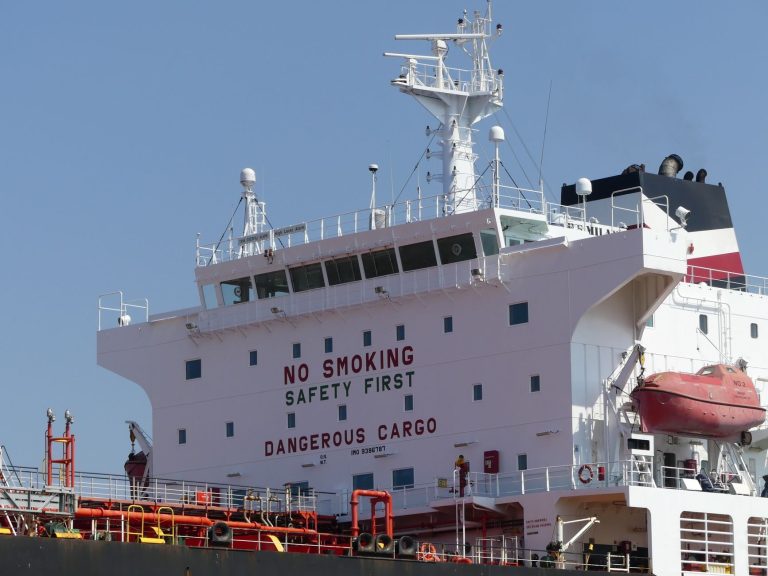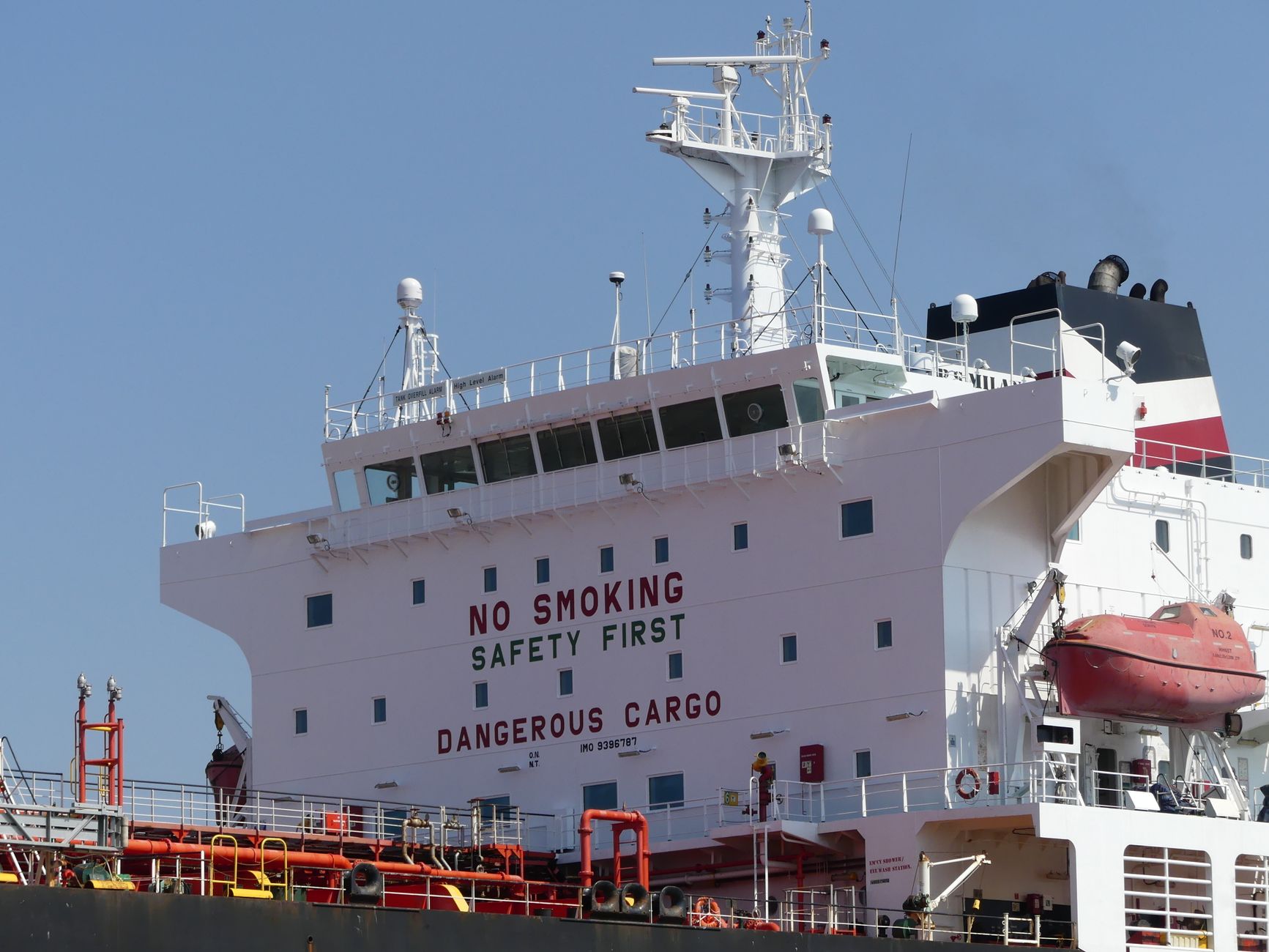
maritime order rules are becoming increasingly important as tensions rise in the Hormuz Strait. PM Modi’s call for a rules-based order highlights the need for stability in international waters.
Understanding Maritime Order
As tensions rise in strategic regions such as the Strait of Hormuz, the concept of a rules-based maritime order has gained prominence. This term refers to a framework of international laws and agreements that govern maritime conduct, ensuring safe navigation and the protection of maritime resources.
In recent statements, PM Modi emphasized the importance of adhering to these maritime order rules to prevent conflicts and enhance security in international waters. The adherence to established protocols is crucial, especially in areas where multiple nations have vested interests.
Key aspects of a rules-based maritime order include:
- Freedom of Navigation: Ensuring that all nations can traverse international waters without obstruction.
- Dispute Resolution: Mechanisms for resolving conflicts peacefully through negotiation and arbitration.
- Environmental Protection: Safeguarding marine ecosystems from over-exploitation and pollution.
By fostering cooperation among nations and promoting compliance with maritime order rules, the global community can work towards a more stable and secure maritime environment.
The Importance of a Rules-Based Approach
The recent call by PM Modi for a rules-based maritime order underscores the growing need for a cohesive framework in international waters. As tensions in the Strait of Hormuz rise, ensuring that maritime order rules are respected becomes crucial for global stability. A rules-based approach promotes safety, security, and predictability in maritime operations.
Countries that adhere to established maritime laws foster cooperative relationships and reduce the risk of conflicts. This is particularly important in strategic waterways where shipping traffic is high. The benefits of a rules-based maritime order include:
- Enhanced Security: Nations are better equipped to respond to threats when there is a shared understanding of maritime law.
- Conflict Prevention: Clear rules can deter aggressive actions and promote dialogue among nations.
- Economic Stability: A predictable maritime environment supports international trade and investment.
Ultimately, embracing a rules-based maritime order is essential for maintaining peace and ensuring the safety of all nations that rely on the sea for trade and resources.
Current Tensions in the Hormuz Strait
As tensions continue to escalate in the Hormuz Strait, the discussion surrounding maritime order rules has become increasingly urgent. The Strait is a critical waterway for global oil shipments, and any disruption can have far-reaching economic consequences. Recent military activities in the region have raised alarms among international leaders, who are calling for a unified approach to ensure safe passage for vessels.
Key factors contributing to the current tensions include:
- Increased naval presence from multiple countries, raising the stakes for potential confrontations.
- Incidents involving the seizure of vessels, which highlight the vulnerabilities in maritime security.
- Political disputes among nations bordering the Strait that complicate efforts to establish a stable maritime order.
In light of these developments, Prime Minister Modi’s call for a rules-based maritime order emphasizes the need for collaborative frameworks to mitigate risks. Establishing clear maritime order rules can help prevent misunderstandings and foster cooperation among nations, ultimately safeguarding vital trade routes and promoting regional stability.
International Reactions to Modi’s Call
In response to Prime Minister Modi’s call for a rules-based maritime order, international reactions have varied significantly across different nations. Many countries have expressed support for the idea, emphasizing the necessity of a structured framework to ensure safety and stability in maritime zones, particularly in regions facing escalating tensions like the Hormuz Strait.
Countries such as the United States and several European nations have reiterated their commitment to uphold maritime order rules, highlighting the importance of international law in governing sea routes. U.S. officials have stated that maintaining freedom of navigation is vital for global trade and security.
Conversely, some nations have exhibited skepticism about Modi’s proposal, questioning the effectiveness of existing maritime regulations. They argue that geopolitical interests often overshadow legal frameworks, which can lead to conflicts. China, for instance, has been critical of perceived Western hegemony in maritime governance and has called for a more inclusive dialogue involving all stakeholders.
As the global community assesses the implications of Modi’s appeal, it is clear that a unified approach to maritime order rules is essential for fostering cooperation and reducing tensions in contentious waters.
Legal Implications of Maritime Disputes
The legal implications of maritime disputes are complex and multifaceted, often involving various international laws and treaties. As nations increasingly recognize the need for a rules-based maritime order, the challenges of enforcing these rules become apparent.
Maritime law, particularly the United Nations Convention on the Law of the Sea (UNCLOS), serves as a framework for resolving disputes and ensuring safe navigation. However, compliance with these legal standards varies among states. The following points highlight key aspects of the legal implications:
- Jurisdiction Issues: Conflicts often arise regarding territorial waters and exclusive economic zones, leading to disputes over jurisdiction and resource rights.
- Enforcement Mechanisms: The effectiveness of enforcement mechanisms under international law can be limited, particularly in contested regions.
- Diplomatic Relations: Ongoing disputes can strain diplomatic relations between nations, making resolution more challenging.
- Potential for Conflict: Failure to adhere to a rules-based maritime order can escalate tensions, potentially leading to military confrontations.
In light of these factors, establishing a robust legal framework is crucial for maintaining peace and stability in maritime regions.
Future of Maritime Security
The future of maritime security hinges on the adoption and enforcement of effective maritime order rules. As geopolitical tensions continue to escalate, particularly in strategic regions like the Hormuz Strait, a collaborative approach among nations becomes increasingly vital. The establishment of a comprehensive set of rules can foster stability and reduce the risk of conflict.
Key elements that will shape this future include:
- Diplomatic Engagement: Nations must engage in dialogue to address their concerns and negotiate resolutions.
- International Cooperation: Collaborative efforts among countries can enhance maritime security and ensure adherence to established norms.
- Technological Advancements: Utilizing technology for surveillance and monitoring can help enforce maritime order rules effectively.
- Capacity Building: Supporting vulnerable nations in developing their maritime capabilities will contribute to a more balanced power dynamic.
As Prime Minister Modi emphasizes the need for a rules-based maritime order, it is essential for the international community to rally behind this vision. By prioritizing a cooperative and rules-driven approach, we can work towards a safer and more secure maritime environment for all nations involved.
Photo by Solvita Vita on Pexels
Sources
Rajkot Airport schedule: Is it the best time to travel? · Bitchats removal: Worst Bluetooth app risks exposed · Human smuggling conviction: Wrong ruling in tragic border case
About the Author