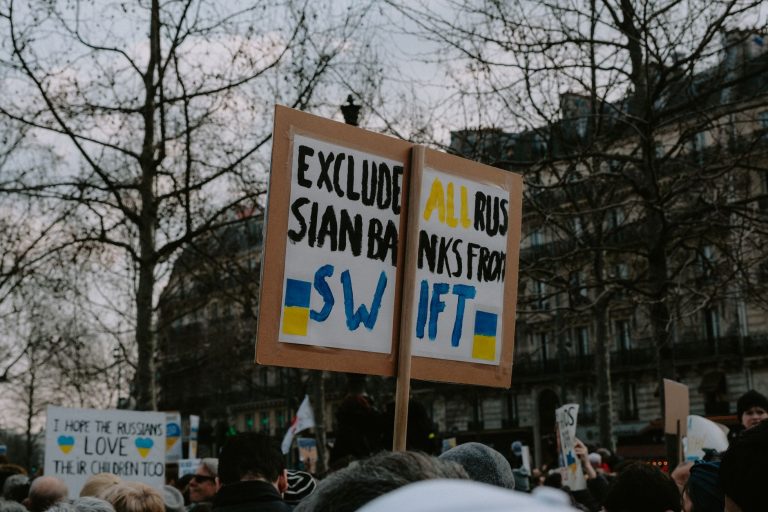
Graham Act sanctions are at the forefront as Trump waives them before they take effect. This decision raises questions about the implications for international law and US foreign policy.
Understanding the Graham Act Sanctions
The Graham Act sanctions are a set of legislative measures designed to impose penalties on foreign entities that engage in activities contrary to U.S. national security interests. These sanctions aim to deter hostile actions by foreign governments, particularly those related to military and intelligence operations.
Originally, the Graham Act was established to provide the U.S. government with the authority to respond to threats posed by nations that undermine global stability. This includes a range of actions, from economic sanctions to travel bans on individuals associated with these hostile activities.
The implications of the Graham Act sanctions can be significant. They are intended to:
- Limit economic interactions between the U.S. and sanctioned countries, potentially impacting trade relations.
- Send a clear message about the consequences of aggressive behavior on the international stage.
- Support diplomatic efforts by increasing pressure on targeted nations to change their policies.
However, the recent decision by former President Trump to waive these sanctions before they took effect raises questions about the effectiveness of such measures. Critics argue that this waiver undermines the purpose of the Graham Act sanctions and may embolden adversaries in their pursuits.
Impact of Waiving Sanctions on Russia
The decision to waive the Graham Act sanctions on Russia has drawn significant attention and concern among policymakers and analysts alike. The sanctions, designed to hold Russia accountable for its actions, were poised to take effect and were expected to create considerable economic pressure on the nation.
By not enforcing these sanctions, the immediate impact is multifaceted:
- Increased Economic Stability: The waiver may provide short-term relief to the Russian economy, allowing it to stabilize after facing years of sanctions and international isolation.
- Strengthened Political Position: The Russian government may use this opportunity to bolster its political standing both domestically and internationally, portraying the waiver as a victory against Western pressure.
- Implications for Global Alliances: Waiving the Graham Act sanctions could encourage other nations to reconsider their stance on Russia, potentially leading to a realignment of global alliances.
However, critics argue that by not applying these sanctions, the U.S. sends a message of weakness, undermining efforts to promote accountability for Russia’s actions. The long-term ramifications of this decision remain to be seen, but it is clear that the impact of waiving Graham Act sanctions could have significant implications for both U.S. foreign policy and international relations.
Legal Ramifications of Trump’s Decision
The decision by former President Trump to waive the Graham Act sanctions has raised significant legal ramifications that could ripple through both domestic and international law. Critics argue that such a waiver undermines the legislative intent behind the Graham Act, which was established to impose strict penalties on nations that engage in activities detrimental to U.S. interests.
One of the primary concerns is the precedent set by this decision. By exercising his executive authority to bypass these sanctions, Trump may have opened the door for future administrations to similarly disregard established laws. This could lead to a weakening of the checks and balances intended to govern foreign policy.
Moreover, legal experts suggest that this waiver could spark challenges in court. If Congress perceives the waiver as an overreach of executive power, they may seek judicial intervention to reinstate the sanctions. Such a scenario could ignite a constitutional debate regarding the limits of presidential authority in foreign affairs.
Additionally, the implications extend beyond the U.S. border. Allies and adversaries alike are observing how the Graham Act sanctions are enforced, and this waiver may embolden nations that are already engaging in hostile activities against the U.S. In summary, the legal ramifications of Trump’s decision to waive the Graham Act sanctions could have far-reaching consequences, both legally and geopolitically.
Historical Context of the Graham Act
The Graham Act, enacted in response to geopolitical tensions, serves as a critical tool in the United States’ foreign policy arsenal. Its primary objective is to impose sanctions on nations that pose a threat to national security or have committed significant human rights violations. Over the years, the act has been utilized to hold various governments accountable, particularly those engaged in aggressive military actions or systemic oppression of their citizens.
Historically, sanctions have played a vital role in shaping international relations. The imposition of Graham Act sanctions not only seeks to deter aggressive behavior but also aims to signal to the global community that the U.S. stands firm against injustices. However, the effectiveness of these sanctions often hinges on their enforcement and the political will to uphold them.
In recent developments, President Trump’s decision to waive the Graham Act sanctions against Russia has raised eyebrows. Critics argue that this move undermines the purpose of the act and could embolden hostile actions. Experts suggest that waiving these sanctions sends a mixed message to other nations considering similar behaviors.
The historical context surrounding the Graham Act highlights the delicate balance between diplomacy and deterrence, emphasizing the need for consistent adherence to its principles to maintain international order and promote accountability.
Reactions from Political Analysts
Political analysts have expressed a range of reactions to the recent waiver of the Graham Act sanctions by former President Trump. Many believe that this decision could have significant repercussions both domestically and internationally.
- Concerns Over National Security: Analysts argue that waiving the Graham Act sanctions may undermine U.S. national security interests. By allowing Russia to evade restrictions, critics claim that the move could embolden hostile actions from the Kremlin.
- Impact on U.S.-Russia Relations: Several experts suggest that the waiver could complicate diplomatic efforts. The decision may send mixed signals regarding U.S. commitment to holding Russia accountable for its actions, particularly in light of ongoing geopolitical tensions.
- Political Implications: Some political analysts highlight the potential for backlash within Congress. There are concerns that Trump’s decision could prompt renewed scrutiny and divisive debates about foreign policy and national security.
- Public Opinion: Polls indicate that a significant portion of the American public disapproves of waiving sanctions against Russia. Analysts note that this could influence voter sentiments in upcoming elections, particularly among those prioritizing foreign policy issues.
In summary, reactions from political analysts underscore the complex implications of the Graham Act sanctions waiver, revealing a landscape of concern and debate that may shape future U.S. foreign policy.
Public Opinion on Sanction Waivers
The decision to waive Graham Act sanctions has stirred significant public debate, reflecting a wide array of opinions among citizens and experts alike. Many individuals are concerned about the implications of such a waiver, particularly regarding national security and international relations.
Surveys conducted in the aftermath of President Trump’s decision reveal a divided public. Some key points of view include:
- Support for Waivers: Certain segments of the population believe that waiving the Graham Act sanctions could lead to improved diplomatic relations and economic cooperation with Russia. They argue that engagement rather than isolation could be a more effective strategy.
- Opposition to Waivers: Conversely, many citizens express strong disapproval, citing fears that these waivers undermine U.S. foreign policy and embolden adversaries. Critics highlight that the Graham Act sanctions were put in place for a reason and that lifting them sends a concerning message.
- Concerns Over Accountability: A significant number of respondents worry about the lack of accountability for foreign actions that threaten U.S. interests. They argue that the Graham Act sanctions are vital for holding nations like Russia responsible for their behavior.
Overall, public opinion on the Graham Act sanctions waiver underscores the complexities of international diplomacy and the varied perspectives held by the American populace.
Future of US-Russia Relations
The future of US-Russia relations remains uncertain following the controversial decision to waive Graham Act sanctions. Observers speculate that this move could lead to a shift in diplomatic dynamics between the two nations, especially as tensions continue to simmer over various geopolitical issues.
Many experts believe that waiving the sanctions may embolden Russia in its foreign policy endeavors, potentially leading to a more aggressive stance in regions like Eastern Europe and the Middle East. Some analysts argue that this could undermine the credibility of US sanctions as a tool for foreign policy, while others suggest it may open doors for dialogue and negotiation.
Furthermore, the implications of these sanctions are not limited to the US-Russia relationship. Allied nations are closely monitoring the situation; the decision could influence their own approaches to sanctions and diplomacy. The reaction from NATO partners, in particular, is vital as they navigate their security strategies in light of the shifting US stance.
In terms of economic ties, lifting the Graham Act sanctions might also alter trade relationships, allowing for increased engagement. However, this could provoke backlash from politicians and constituents who view the waiver as a capitulation to Russian interests. Ultimately, the long-term effects on US-Russia relations will depend on the responses from both governments and the international community.
What Comes Next for Sanctions?
As the dust settles on the recent decision to waive Graham Act sanctions on Russia, the question of what comes next looms large. The implications of this move are vast, not only for U.S. foreign policy but also for international relations at large. Analysts are closely monitoring several key developments.
- Potential Legislative Responses: Congress may seek to counteract the waiver through new legislation aimed at reinstating sanctions. Lawmakers from both parties have expressed concerns over the decision, suggesting a bipartisan effort to address the issue.
- International Reactions: Countries closely aligned with the U.S. are watching how this waiver affects global alliances. The potential for a shift in U.S. credibility on sanctions could embolden adversaries and alter diplomatic dynamics.
- Market Reactions: Economic analysts predict fluctuations in global markets as investors assess the long-term impacts of these sanctions. Energy prices, in particular, may be affected as relations with Russia evolve.
- Future Sanction Policies: The waiver raises questions about the future of U.S. sanction policies. Experts believe the Graham Act sanctions will serve as a precedent for how the U.S. approaches sanctions in the future.
In summary, the path forward after the waiver of Graham Act sanctions is complex and fraught with uncertainty, making it a focal point for policymakers and analysts alike.
Photo by Markus Winkler on Pexels
Where this came from
Radio Free Europe/Radio Liberty
Related stories
Russia sanctions Trump: The Wrong Move Before Key Deadline · IDBI Sale Policy: Worst Ruling Impacting Future Sales · IDBI Bank stake sale: Clear insights on Delhi HC ruling
About the Author