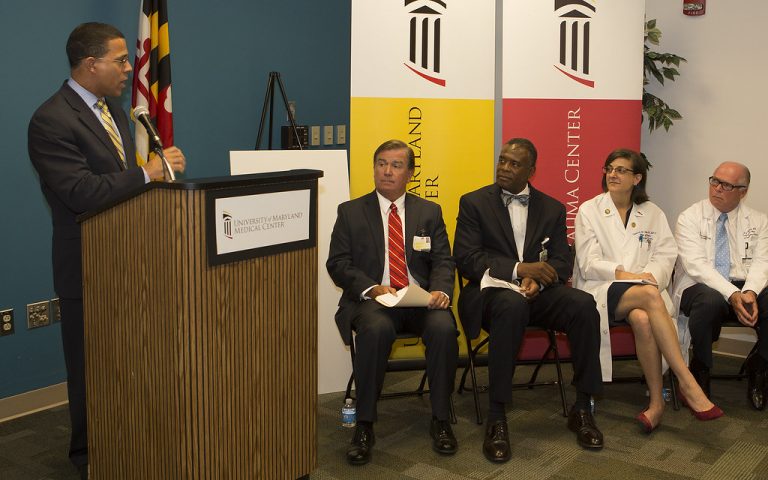
The work dismissal rule is undergoing significant changes as Andy Burnham confirms a new law plan aimed at improving employee rights.
Overview of the Work Dismissal Rule Changes
In recent developments, the work dismissal rule has undergone significant changes aimed at enhancing employee protection and clarity in the workplace. Andy Burnham, a prominent figure in local governance, has confirmed these changes as part of a broader plan to reform employment laws. The new provisions are designed to ensure that employees are treated fairly and that dismissal processes are transparent and just.
The updated work dismissal rule introduces several key elements:
- Increased Transparency: Employers are now required to provide clear reasons for dismissals, minimizing ambiguity and potential disputes.
- Extended Notice Periods: Employees will benefit from longer notice periods, allowing them more time to prepare for job transitions.
- Improved Grievance Procedures: The reforms mandate that companies establish robust grievance processes, giving employees a structured way to voice concerns about their dismissal.
- Protection Against Retaliation: The new rules strengthen protections against retaliatory actions by employers, ensuring that employees can assert their rights without fear of further repercussions.
These changes are expected to foster a more equitable work environment and empower employees. Stakeholders have welcomed the proposed adjustments, emphasizing the need for a balanced approach to employment rights. As the new law comes into effect, it is anticipated that both employers and employees will need to adapt to these revised regulations effectively.
Impact on Employee Rights and Protections
The recent changes to the work dismissal rule have significant implications for employee rights and protections. These modifications aim to create a more equitable workplace environment and ensure that employees are treated fairly during dismissal proceedings.
One of the most notable impacts is the enhancement of job security for employees. The updated regulations stipulate that:
- Increased Transparency: Employers are now required to provide clearer reasons for dismissals, which helps employees understand the rationale behind such decisions.
- Stronger Protections: Employees who believe they have been unfairly dismissed can challenge their termination with greater ease, ensuring that their voices are heard.
- Extended Notice Periods: The changes introduce longer notice periods for dismissals, allowing employees more time to prepare for their transition.
- Support for Vulnerable Workers: Special considerations are now in place for employees in vulnerable positions, such as those on parental leave or with disabilities, protecting them from unjust treatment.
These changes reflect a growing recognition of the need for robust employee protections in the face of dismissal. As the work dismissal rule evolves, employees can expect a fairer and more just process when facing termination from their jobs. This shift signifies a commitment to ensuring that all workers are treated with respect and dignity in the workplace.
Andy Burnham’s Vision for Employment Law
In a recent announcement, Andy Burnham, the Mayor of Greater Manchester, outlined his vision for transforming employment law, specifically addressing the work dismissal rule. His proposed changes aim to enhance job security and ensure fair treatment for employees across various sectors.
Burnham emphasized that the new regulations will provide clearer guidelines for employers, making it more difficult to dismiss employees without just cause. He believes that the current system lacks the necessary protections for workers, leading to uncertainty and fear among employees regarding their job stability.
Among the key features of his plan are:
- The establishment of a clear framework for dismissals, ensuring that all employees are treated equitably.
- Increased penalties for employers who fail to adhere to the new work dismissal rule.
- A streamlined process for employees to contest unfair dismissals, providing them with a more accessible avenue for grievances.
- Enhanced support for those who have been wrongfully terminated, including legal aid and advisory services.
Burnham’s vision reflects a commitment to fostering a fair work environment, where employees can feel secure in their roles. By implementing these changes, he aims to create a more equitable landscape for workers, ultimately benefiting both employees and employers in the long term.
Reactions from Legal Experts
The recent confirmation of the work dismissal rule changes by Andy Burnham has prompted a wave of reactions from legal experts across the country. Many believe that these adjustments will significantly reshape the employment landscape and reinforce employee rights.
According to legal analyst Dr. Emma Franks, “This new rule is a decisive step forward. It creates a clearer framework for both employers and employees, which can help in reducing conflicts and misunderstandings in the workplace.” She emphasized the importance of transparency in the dismissal process, stating that it can lead to a fairer treatment of workers.
However, not all responses have been entirely positive. Mark Jennings, a labor attorney, expressed concerns about potential challenges for small businesses. “While the work dismissal rule aims to protect employees, it may also place a heavier burden on smaller employers who lack the resources to navigate these complexities,” he noted.
Others echoed similar sentiments, highlighting the need for additional support systems for businesses to adapt to these changes. Sarah Lee, an employment rights advocate, remarked, “It’s crucial that alongside these new regulations, there are also initiatives to educate employers about compliance to ensure that the spirit of the law is upheld.”
As discussions continue, the work dismissal rule will undoubtedly remain a focal point in legal circles and among employees seeking clarity and protection in their workplaces.
Next Steps in the Law Reform Process
The recent confirmation of the new work dismissal rule by Andy Burnham marks a significant step in the ongoing law reform process aimed at enhancing employee protections. As the details of the proposed changes are finalized, several key steps are anticipated in the coming months.
First, the government will initiate a public consultation period, inviting feedback from various stakeholders, including businesses, employees, and legal experts. This process is crucial for ensuring that the reforms meet the needs of all parties involved. Following the consultation, a detailed report summarizing the findings will be published, which will guide the drafting of the legislative changes.
Once the report is released, it is expected that the government will present a bill to Parliament. This bill will outline the specific amendments to the existing employment laws, including the new work dismissal rule. Parliamentary discussions and debates will follow, allowing for further examination and potential modifications before any final vote.
Finally, if approved, the changes will be enacted and a timeline for implementation will be established. Employers will then need to adapt their policies and practices to comply with the new regulations. Overall, these next steps are critical in shaping a more equitable work environment for employees and ensuring that their rights are upheld under the new law.
By Michael Vadon via Openverse
References
Airbnb New Guest Rule: Worst Change Hosts Are Facing · Sonam Wangchuk Force-Fed? The Clear Truth Revealed · Airbnb House Rules: The Right Simple Guide for Hosts
About the Author