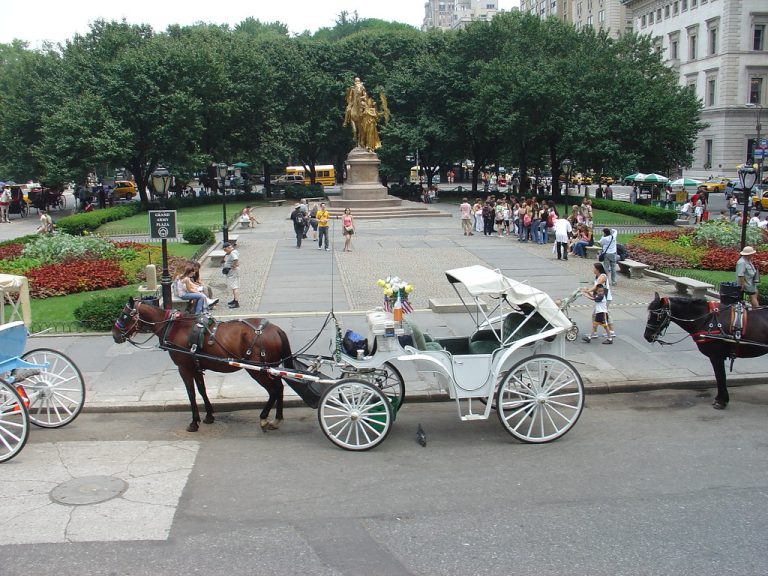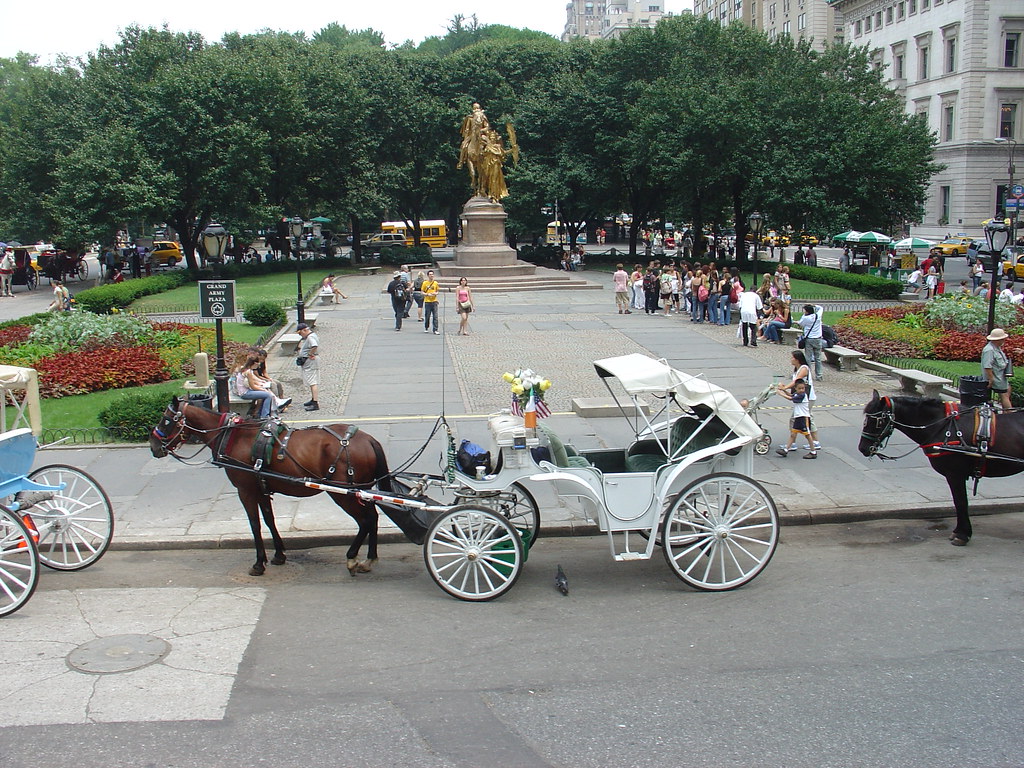
Central Park horse carriages are now a thing of the past as Romanch’s Law has been passed in NYC. This significant legal change aims to end the use of horse-drawn carriages in the iconic park.
Overview of Romanch’s Law
Romanch’s Law, recently passed by the New York City Council, aims to put an end to Central Park horse carriages, a longstanding tradition in the city. This legislation reflects growing concerns over animal welfare and public safety. Advocates for the law argue that the well-being of horses used in the carriages is compromised due to the busy streets and unpredictable urban environment.
The law mandates several key changes, including:
- Phase-out period: Horse carriages will be gradually phased out over the next two years.
- Increased regulation: Enhanced oversight on the treatment and living conditions of the horses.
- Alternative transportation: Development of eco-friendly transportation options for tourists to explore Central Park.
Supporters of Romanch’s Law believe that eliminating Central Park horse carriages will lead to a more humane approach to tourism and a safer environment for both animals and visitors. However, opponents claim that the law disregards the historical significance and charm that horse-drawn carriages bring to the park.
Impact on Central Park
The debate surrounding Central Park horse carriages has raised significant concerns about their impact on the iconic park’s environment and wildlife. Critics argue that the presence of horse-drawn carriages disrupts the natural tranquility of the area, potentially harming both the flora and fauna.
One of the primary issues is the noise and pollution generated by the carriages. The clatter of hooves on pavement and the sounds of traffic can disturb the peaceful atmosphere that visitors expect when strolling through the park. Furthermore, the health of the horses themselves has been questioned, with advocates asserting that the rigorous demands of the carriage industry can lead to stress and health complications for the animals.
Supporters of the ban argue that the removal of Central Park horse carriages will promote a more serene and sustainable environment. They believe it will encourage increased biodiversity and allow wildlife to thrive without the constant presence of horses and carriages. In this context, the passage of Romanch’s Law is viewed as a pivotal step toward preserving the park’s integrity for future generations.
Public Opinion on Horse Carriages
Public opinion on Central Park horse carriages remains divided as the city moves towards implementing Romanch’s Law, which aims to end their operation. Advocates for the ban argue that these horse-drawn carriages pose significant welfare concerns for the animals involved. They emphasize that the urban environment of New York City is not suitable for horses, leading to stress and health issues.
On the other hand, supporters of the horse carriage industry highlight its historical significance and the charm it brings to Central Park. They argue that these carriages offer a unique experience for tourists, allowing them to appreciate the park’s beauty in a traditional manner. Many carriage drivers also express their deep bond with the horses and their commitment to ensuring their well-being.
As the debate continues, the public remains split. Surveys show that:
- 45% of respondents support the ban due to animal welfare concerns.
- 35% believe horse carriages should remain for their cultural value.
- 20% are undecided or unaware of the issue.
This ongoing dialogue reflects the complex relationship between tradition and modern ethical standards in New York City.
Legal Background of the Law
The legal landscape surrounding Central Park horse carriages has undergone significant changes in recent years. Initially, horse-drawn carriages were a staple of the park’s charm, attracting tourists and locals alike. However, increasing concerns about animal welfare and urban congestion prompted city officials to reevaluate the legality of these rides.
In 2023, the passing of Romanch’s Law marked a pivotal moment in this ongoing debate. The law aims to phase out the use of horse carriages in Central Park, citing the need for improved conditions for the horses and a safer environment for pedestrians. Advocates for the law argue that it is a necessary step toward modernization and ethical treatment of animals.
Furthermore, the legislation reflects a broader shift in public sentiment. While many New Yorkers cherish the tradition of horse-drawn carriages, a significant portion of the population believes that their presence is outdated and detrimental to the park’s ecosystem. As discussions persist, the future of Central Park horse carriages remains uncertain, with stakeholders on both sides of the issue passionately voicing their opinions.
Alternatives to Horse Carriages
As the debate around Central Park horse carriages continues, many New Yorkers are considering alternatives for exploring the iconic park. Several options provide unique experiences without the ethical concerns associated with horse-drawn carriages.
- Bicycles: Renting a bicycle allows visitors to enjoy the park at their own pace while covering more ground. Numerous bike rental shops are located near park entrances.
- Walking Tours: Guided walking tours offer an immersive experience, led by knowledgeable guides who share the history and hidden gems of Central Park.
- Electric Carriages: Some companies are introducing electric-powered carriages, providing an eco-friendly alternative that maintains the charm of a carriage ride without the use of live animals.
- Pedicabs: These bicycle taxis provide a fun way to see the park, combining the benefits of a guided tour with a unique mode of transportation.
With these alternatives, visitors can enjoy the beauty of Central Park while aligning their choices with ethical considerations. The shift away from Central Park horse carriages opens up a variety of new experiences for all.
Future of NYC Transportation
The future of NYC transportation is rapidly evolving, with increasing discussions surrounding the role of Central Park horse carriages. As the city seeks to modernize and prioritize sustainability, many are questioning whether these traditional rides align with current values and environmental goals.
With the passing of Romanch’s Law, which aims to phase out horse carriages in Central Park, the landscape of transportation options is set to change significantly. Advocates for animal rights argue that the law is a necessary step toward ensuring the well-being of the horses, while proponents of the carriages emphasize their cultural and historical significance.
In light of these developments, alternative modes of transportation are gaining traction. Options such as electric carriages, bike rentals, and eco-friendly tours are emerging as viable substitutes. These alternatives not only reduce the carbon footprint but also provide tourists and locals with new and innovative ways to experience the park.
As the city navigates the transition away from traditional horse carriages, the focus remains on creating a transportation system that reflects both the needs of its residents and the welfare of its animals.
Conclusion on Romanch’s Law
In conclusion, the implications of Romanch’s Law mark a significant turning point for the future of Central Park horse carriages and New York City’s transportation landscape. As the law seeks to phase out these iconic horse-drawn vehicles, it raises questions about traditional tourism and the ethical treatment of horses in urban settings. Advocates of the law argue that it prioritizes animal welfare and promotes a more sustainable approach to recreation in Central Park.
Opponents, however, express concern over the potential loss of jobs and the cultural heritage represented by the horse carriages. The debate surrounding Romanch’s Law reflects broader tensions within the city regarding modernization versus tradition. While alternatives such as electric carriages and guided bike tours offer exciting new possibilities, they may not fully replicate the nostalgic experience that many visitors seek.
Ultimately, the decision to end Central Park horse carriages could reshape public perception of what constitutes an enjoyable visit to one of the world’s most famous parks. As New York City moves forward, the balance between innovation and respect for history will be crucial in determining the success of this legislative change.
By Salon NYC via Openverse
Read the original
Related stories
- Delhi HC Ruling: The Right Legal Decision for Neha Bora
- AI Law Regulation: The Right Roadmap for Future Governance
- IEBC results law: MPs’ Rejection Explained with Clear Reasons
About the Author