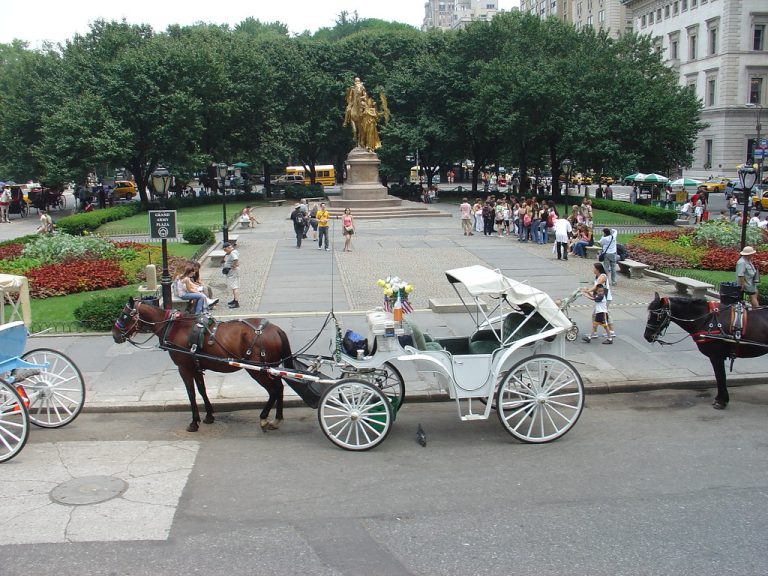
The NYC horse carriage ban will soon take effect, impacting both locals and tourists. This article outlines the key details you need to know about the new regulations.
What is the NYC horse carriage ban?
The NYC horse carriage ban is a new regulation aimed at eliminating the use of horse-drawn carriages in the city. This law has sparked significant debate among locals, animal rights activists, and tourism advocates. The ban is primarily motivated by concerns over the welfare of the horses, as well as the safety of both the animals and pedestrians in busy urban environments.
According to city officials, the ban will take effect in the coming months, with a specific implementation date yet to be announced. The legislation is designed to promote more humane treatment of animals and to encourage the use of alternative modes of transport for sightseeing.
Some key points regarding the NYC horse carriage ban include:
- Public Safety: Advocates argue that horse-drawn carriages pose risks in crowded areas.
- Animal Welfare: Critics of the industry cite concerns about the health and living conditions of the horses.
- Tourism Impact: Supporters of the carriages worry about the loss of a historic tourist attraction.
As the law approaches its implementation, both residents and visitors are encouraged to stay informed about its effects on the city and its iconic landscape.
When does the ban go into effect?
The NYC horse carriage ban is set to go into effect on January 1, 2024. This new law aims to phase out the use of horse-drawn carriages in the bustling streets of New York City, a move that has been met with both support and opposition from various groups. As the effective date approaches, both locals and tourists are eager to understand the implications of the ban.
In preparation for the law’s implementation, the city has initiated several measures:
- Public Awareness Campaigns: The city plans to launch campaigns to educate the public about alternative transportation options, including electric carriages and pedicabs.
- Support for Affected Workers: Programs will be established to assist those who depend on horse carriage operations for their livelihoods. This includes job placement services and training for new careers.
- Monitoring Animal Welfare: The city will increase oversight to ensure that horses are transitioned to appropriate sanctuaries, prioritizing their well-being.
As the ban date approaches, discussions around the future of transportation in NYC continue, with many advocating for more sustainable options while ensuring the rights of workers are protected.
Impact on local businesses
The recent NYC horse carriage ban is set to have significant repercussions on local businesses that have relied on horse-drawn carriage rides as a staple attraction. Many businesses in the area, especially those near Central Park, have seen a steady influx of tourists drawn to the charm and nostalgia of these rides.
As the ban comes into effect, various sectors will feel the impact:
- Tourism industry: Companies that offer carriage rides will need to pivot their business models, potentially leading to job losses and reduced revenue.
- Nearby restaurants and shops: Establishments that benefit from increased foot traffic due to carriage rides may experience a decline in customers, affecting their sales.
- Transportation alternatives: Some businesses may invest in alternative forms of transportation, such as electric carriages or bike rentals, but initial costs could be prohibitive.
Local business owners are expressing concern about the future. “We’ve built our livelihoods around these rides,” said one owner. “It’s hard to see how we’ll adapt without them.” As the city moves forward with the ban, the effects on the local economy remain to be seen, raising questions about sustainability and support for affected businesses.
Tourist reactions to the ban
Tourists visiting New York City have expressed a mixture of surprise and disappointment regarding the recent NYC horse carriage ban. Many had anticipated experiencing a classic carriage ride through Central Park, a quintessential part of the city’s charm and history.
Several tourists shared their thoughts on social media platforms:
- Emily Johnson, a visitor from California, stated, “I was really looking forward to that romantic carriage ride. It feels like a part of the NYC experience that we will miss.”
- Mark Chen, who traveled from abroad, mentioned, “I’ve seen so many movies featuring horse-drawn carriages. It’s sad to see this tradition coming to an end.”
- Sara Lopez, a frequent visitor, commented, “While I understand the concerns for animal welfare, I hope there will be alternatives that capture the same magic.”
Despite the ban, some tourists remain optimistic about the future of city tours, hoping for innovative solutions that align with contemporary values while preserving the spirit of their experiences in NYC.
Alternatives to horse carriages
As the NYC horse carriage ban takes effect, many are seeking alternative transportation options to explore the city. Several eco-friendly and engaging alternatives have gained popularity among both locals and tourists.
- Bicycles: Renting bicycles has become a favored choice for those wanting to experience the streets of New York at their own pace. Numerous bike-sharing programs provide convenient access to various neighborhoods.
- Pedicabs: For a unique experience, pedicabs offer a charming way to navigate the city while enjoying the sights. These human-powered taxis can be found in popular tourist areas.
- Electric scooters: With a growing number of electric scooter rentals, visitors can zip around town quickly and effortlessly. These scooters are often available at designated locations throughout the city.
- Walking tours: Guided walking tours provide an intimate look at NYC’s rich history and vibrant culture. Many companies now offer themed tours that cater to specific interests, from food to art.
These alternatives not only reduce the environmental impact but also enhance the overall experience of discovering New York City without the use of horse carriages.
Future of horse-drawn carriages in NYC
The future of horse-drawn carriages in NYC is now facing uncertainty following the recent implementation of the NYC horse carriage ban. As the city moves towards a more sustainable and humane approach to transportation, many are left wondering what this means for the iconic carriages that have roamed the streets for decades.
First and foremost, the ban aims to protect the welfare of the horses involved in this industry. Advocates for animal rights have long argued that the working conditions for these horses can be harsh, particularly in the bustling environment of New York City. With this new law in place, the hope is to transition to alternative modes of transportation that do not involve animal labor.
However, the shift away from horse-drawn carriages will also impact various stakeholders. The carriage operators, who have built careers and livelihoods around this tradition, will need to adapt to the changing landscape. Additionally, many local businesses that rely on the presence of horse carriages for tourism may feel the financial strain.
As discussions continue, the city is exploring options to support those affected by the NYC horse carriage ban, while ensuring the welfare of the animals remains a top priority.
The NYC horse carriage ban has sparked heated debates among animal rights activists and carriage drivers alike. As the new law takes effect, many are wondering how it will impact the iconic industry in the heart of the city.
Where this came from
Related stories
- Is the de-Securitization of Romania the Right Move for PSD?
- Is the Imperial House Law the Best Solution for Adoption Issues?
- Are Central Park horse carriages the worst choice for NYC?
About the Author