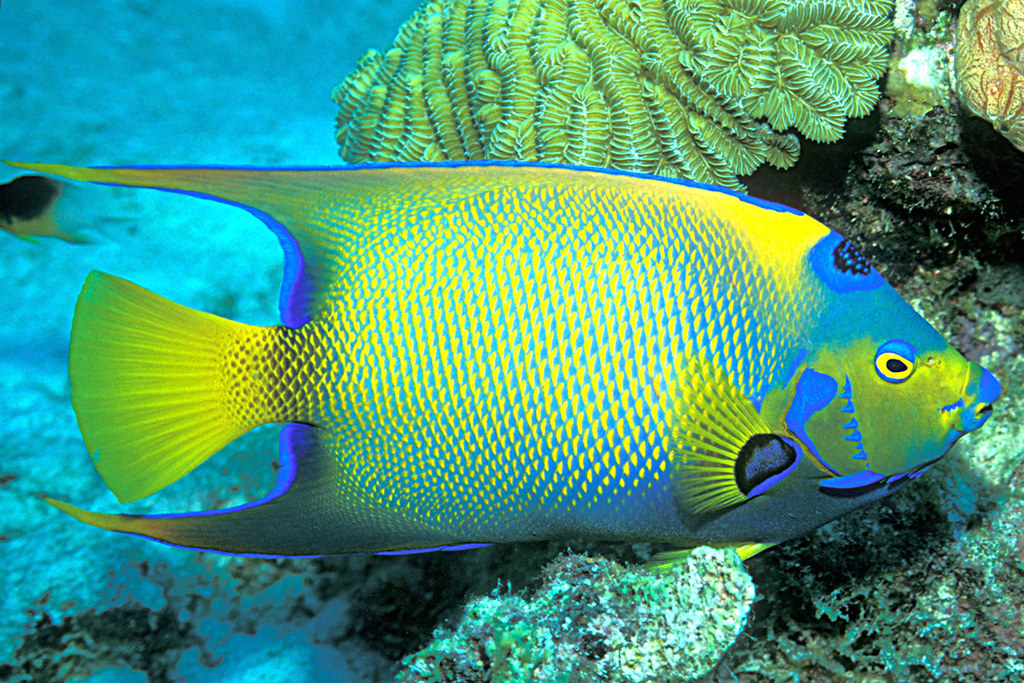
Marine and fishing rules are undergoing significant changes after recent port incidents prompted the KMA to take action. These new regulations aim to improve safety and operational standards in the industry.
Overview of Recent Port Incidents
Recent incidents at various ports have prompted authorities to reevaluate and update marine and fishing rules. These changes aim to enhance safety and ensure sustainable practices in the fishing industry.
Several key factors contributed to the decision for these updates:
- Increase in Accidents: A rise in accidents involving fishing vessels has raised concerns among regulators.
- Environmental Impact: Reports of overfishing and negative impacts on marine ecosystems have highlighted the need for stricter guidelines.
- Technological Advancements: New technology in fishing has necessitated updated rules to ensure compliance and safety.
The new regulations will be aimed at enhancing the safety of both fishers and the marine environment. Stakeholders, including fishermen, environmental groups, and local communities, are encouraged to engage in discussions around the proposed changes. Adhering to the updated marine and fishing rules will be crucial for the sustainability of resources and the safety of maritime operations moving forward.
Details of the New Marine and Fishing Rules
The recent updates to the marine and fishing rules aim to enhance safety and sustainability in coastal waters. Key changes have been introduced to address the concerns raised by recent port incidents, ensuring that all maritime activities are conducted with the highest standards of care.
- Enhanced Safety Protocols: All vessels must now adhere to stricter safety checks before departure, including equipment inspections and crew training.
- Fishing Quotas: New quotas have been established to prevent overfishing, supporting marine biodiversity and sustainable practices.
- Licensing Requirements: Updated regulations require all fishers to obtain a new license that includes training on responsible fishing methods.
- Environmental Protection Measures: Measures to protect vulnerable marine habitats are now mandatory, with penalties for non-compliance.
These changes reflect a growing commitment to preserving marine ecosystems while ensuring that fishing practices remain safe and effective. Stakeholders are encouraged to familiarize themselves with these new marine and fishing rules to promote compliance and protect our waters.
Impact of Changes on Local Fishermen
The recent changes in marine and fishing rules have sparked a wave of reactions among local fishermen. Many are expressing concerns about how these new regulations will impact their daily operations and livelihoods.
Local fishermen, who rely heavily on the sea for their income, are particularly worried about:
- Increased Compliance Costs: Adhering to new safety and environmental standards may require significant investments in equipment and training.
- Restricted Fishing Areas: Some fishermen fear that designated no-fishing zones could limit their access to traditional fishing grounds.
- Changes in Fishing Seasons: Adjustments to fishing seasons may affect the availability of certain fish species, impacting their catch and market prices.
- Potential Penalties: Stricter enforcement means that unintentional violations could lead to fines, further complicating their operations.
While the goal of the new marine and fishing rules is to promote safer practices and protect marine ecosystems, the local fishing community is urging for dialogue to address their concerns and ensure a balance between sustainability and their livelihoods.
Safety Measures Implemented by KMA
The KMA has introduced several safety measures aimed at enhancing compliance with the new marine and fishing rules. These changes are designed to address concerns raised after recent port incidents and ensure safer practices for all maritime activities.
Among the key initiatives are:
- Mandatory Safety Training: All fishermen and marine workers will be required to complete safety training programs to better understand the new regulations and emergency protocols.
- Regular Inspections: Increased frequency of inspections on fishing vessels to ensure adherence to safety and equipment standards.
- Enhanced Communication: Establishment of a direct communication line between KMA and local fishermen to facilitate better reporting of incidents and safety concerns.
- Incentives for Compliance: Programs that reward those who consistently follow marine and fishing rules, promoting a culture of safety.
These measures not only aim to reduce accidents at sea but also foster a sense of responsibility within the fishing community, ensuring that safety remains a top priority.
Future of Marine Regulations in Kenya
The future of marine regulations in Kenya is poised for significant evolution as authorities respond to recent challenges in the fishing sector. The new marine and fishing rules aim to enhance safety and sustainability, ensuring that both local fishermen and marine ecosystems thrive. These regulations will not only address safety concerns but also promote responsible fishing practices that align with international standards.
Key stakeholders, including the Kenya Marine Authority (KMA) and fishing communities, are encouraged to engage actively in the implementation process. This collaborative approach will help to refine the rules further and adapt them to local needs.
Among the anticipated changes, there will be greater emphasis on:
- Regular Training: Fishermen will receive mandatory training on safe fishing practices and environmental conservation.
- Enforcement of Licenses: Stricter controls on fishing licenses will be enforced to prevent illegal fishing activities.
- Monitoring Systems: Enhanced monitoring systems will be established to track marine biodiversity and fishing quotas.
These initiatives represent a commitment to safeguarding Kenya’s marine resources for future generations.
By laszlo-photo via Openverse
Sources
Related stories
- India EU investment pact: Clear path for legal changes
- IRS tax changes 2026: Best proven ways to maximize refunds
- NYC horse carriage ban: Clear details on the new law
About the Author