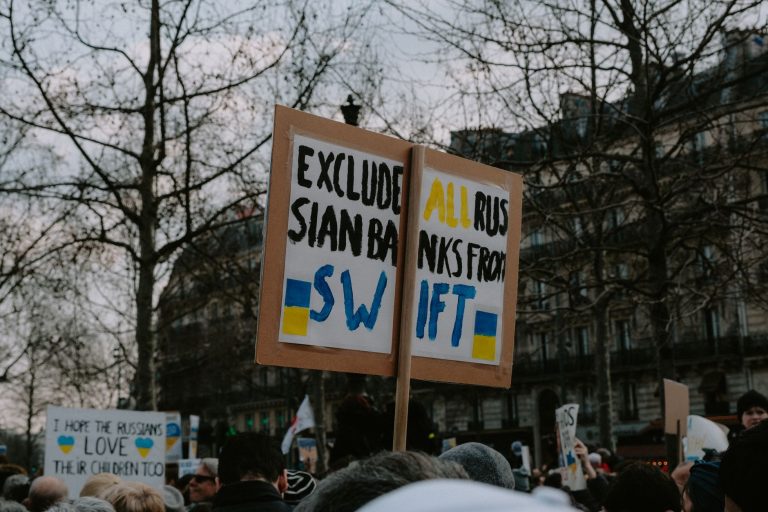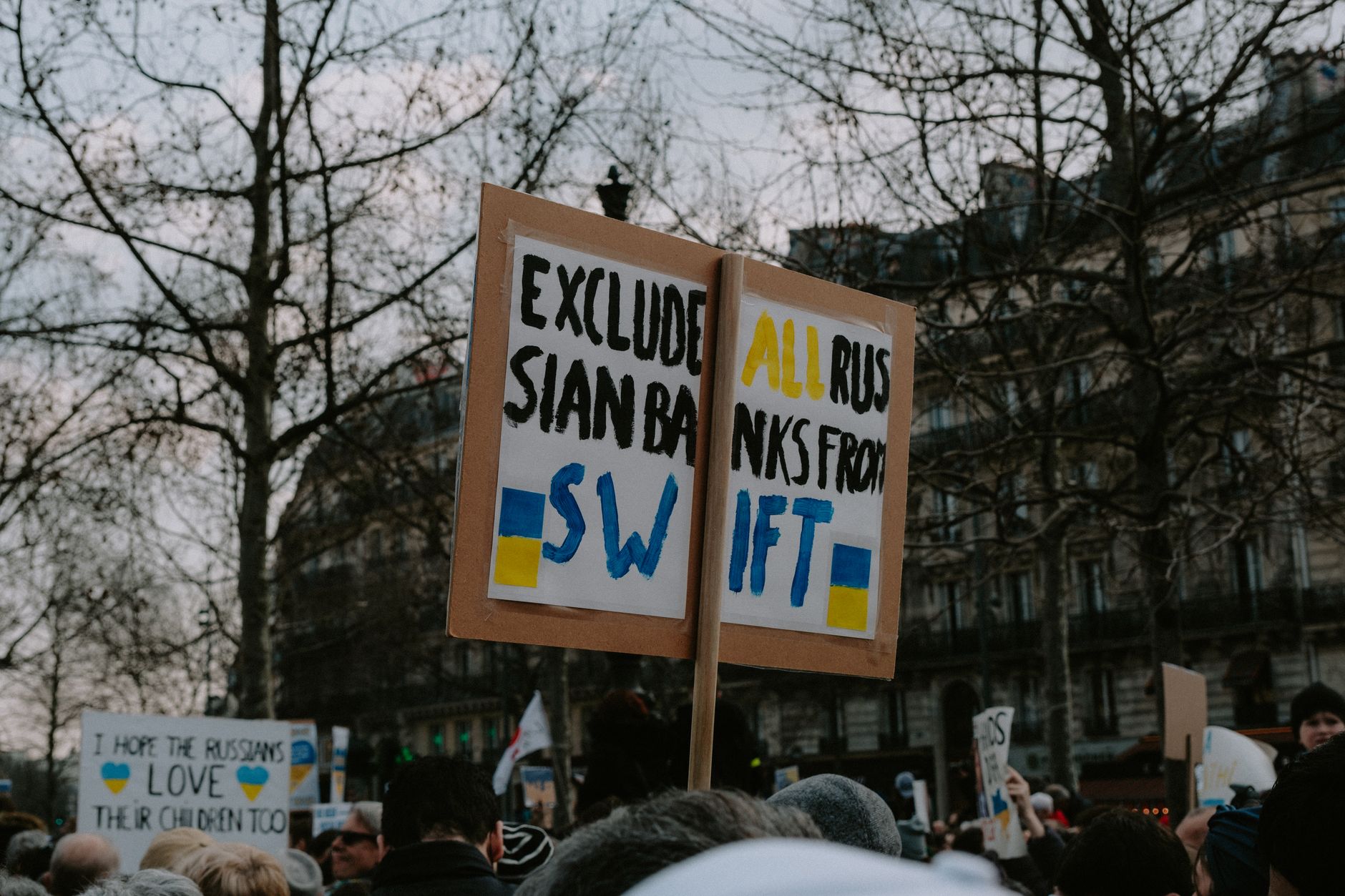
Russia sanctions law is at the forefront of international relations, especially as Donald Trump threatens significant tariffs that affect oil imports.
Overview of Russia Sanctions Law
The recent Russia sanctions law introduced by the U.S. government has raised significant concerns regarding its implications on global oil trade. This legislation aims to impose stringent restrictions on countries engaging in oil imports from Russia, which is one of the world’s largest oil producers. The law has led to an increase in tensions, particularly with nations such as India and China, who heavily rely on Russian oil to meet their energy demands.
As a result of the sanctions, these nations are now facing potential tariffs that could reach up to 100%. This situation places India and China in a challenging position as they attempt to balance their energy needs with the geopolitical pressures stemming from U.S. policy decisions. A direct consequence of the sanctions could lead to significant shifts in oil supply chains, prompting countries to seek alternative sources for crude oil.
Industry analysts are closely monitoring the repercussions of the Russia sanctions law, as it could reshape the global oil market. The law not only impacts the immediate trading environment but also poses longer-term challenges for energy security in many regions. The ongoing developments will likely influence pricing strategies and trade relations worldwide.
Impact on Global Oil Prices
The recent implementation of the Russia sanctions law has sent shockwaves through the global oil market, affecting prices and supply chains worldwide. As countries grapple with the ramifications of these sanctions, the impact on oil prices has become increasingly pronounced.
Following the announcement of a potential 100% tariff on Russian oil imports, several nations, including India and China, are feeling the pressure. With approximately 2.1 million barrels per day at stake, these countries are faced with tough decisions regarding their energy sources. The uncertainty surrounding the sanctions has resulted in fluctuating prices, leading to a surge in crude oil rates.
Market analysts predict that if these sanctions remain in place, the long-term effects could include:
- Increased oil prices: A significant reduction in supply could drive prices higher as demand remains stable.
- Shifts in supply chains: Countries may look to alternative suppliers, reshaping global trade dynamics.
- Geopolitical tensions: Nations may face diplomatic challenges as they navigate their reliance on Russian oil.
Overall, the Russia sanctions law is poised to reshape the landscape of global oil trade, with far-reaching implications for economies worldwide.
India and China Oil Imports
The implementation of the Russia sanctions law has created significant ripples in the global oil market, particularly affecting major importers like India and China. Both countries have relied heavily on Russian oil, with imports amounting to approximately 2.1 million barrels per day (bpd). As tensions escalate, the sanctions could pose serious challenges to their energy security and economic stability.
India, traditionally one of the largest importers of Russian crude oil, has been navigating a complex landscape. The Russia sanctions law may compel India to seek alternative suppliers, potentially leading to increased costs and supply chain disruptions. Economic analysts suggest that the shift could result in higher prices for consumers and businesses alike, impacting everything from transportation costs to manufacturing expenses.
Similarly, China is facing its own set of challenges. With its growing demand for energy, the sanctions threaten to disrupt its existing contracts and sourcing agreements with Russia. Adjusting to these changes may require China to re-evaluate its energy strategy, possibly turning to other countries to fill the gap left by reduced Russian imports.
- India’s oil imports from Russia: 2.1 million bpd
- Potential increase in energy costs for consumers
- China’s need to diversify energy sources
Trump’s Tariff Threat Explained
In recent developments regarding the Russia sanctions law, former President Donald Trump has issued a stark warning about imposing a 100% tariff on oil imports from nations that continue to buy Russian oil. This proclamation has sent shockwaves across the global oil market, particularly affecting countries like India and China, which rely heavily on Russian crude. With approximately 2.1 million barrels per day (bpd) at stake, these nations face a significant dilemma.
Trump’s tariff threat is not merely a political maneuver; it represents a broader strategy to pressure countries into aligning with Western sanctions against Russia. The implications of such tariffs could be far-reaching:
- Increased Costs: A 100% tariff would essentially double the price of Russian oil, forcing India and China to either absorb these costs or seek alternative sources.
- Global Oil Prices: The potential reduction in Russian oil exports could result in increased prices globally, impacting consumers everywhere.
- Supply Chain Disruptions: Countries may face challenges in sourcing adequate oil supplies to meet domestic demands.
This looming tariff threat adds another layer of complexity to the geopolitical landscape, as countries weigh their economic interests against international pressure to conform to the sanctions laid out by the West.
Legal Implications of Sanctions
The legal implications of the Russia sanctions law are significant and multifaceted, impacting not only nations directly involved but also the broader global oil market. As countries like India and China continue to import oil from Russia, they face a complex web of legal challenges and potential repercussions from the United States and its allies.
Firstly, the sanctions law imposes strict penalties on entities that engage in substantial trade with Russia. This creates a dilemma for nations that rely heavily on Russian oil, as they must navigate the risks of potential legal actions and financial penalties if they do not comply with the sanctions.
Moreover, the extraterritorial nature of the sanctions means that foreign companies operating in third countries could also be affected. Key legal implications include:
- Increased Compliance Costs: Companies must invest in compliance programs to ensure adherence to the sanctions, leading to higher operational costs.
- Contractual Risks: Existing contracts with Russian suppliers may become contentious, with the potential for litigation over breaches of the sanctions law.
- Market Uncertainty: Legal repercussions may deter investment in oil projects, leading to market instability.
Ultimately, the Russia sanctions law not only reshapes trade relationships but also poses significant legal hurdles for nations navigating these turbulent waters.
Photo by Mathias Reding on Pexels
Where this came from
You might also like
- Animal Testing Mandate: Clear Steps Toward a Proven Solution
- Labelling rules for soaps: Clear guidelines for consumers
- Canada citizenship law: What’s the Right Change to Expect?
About the Author