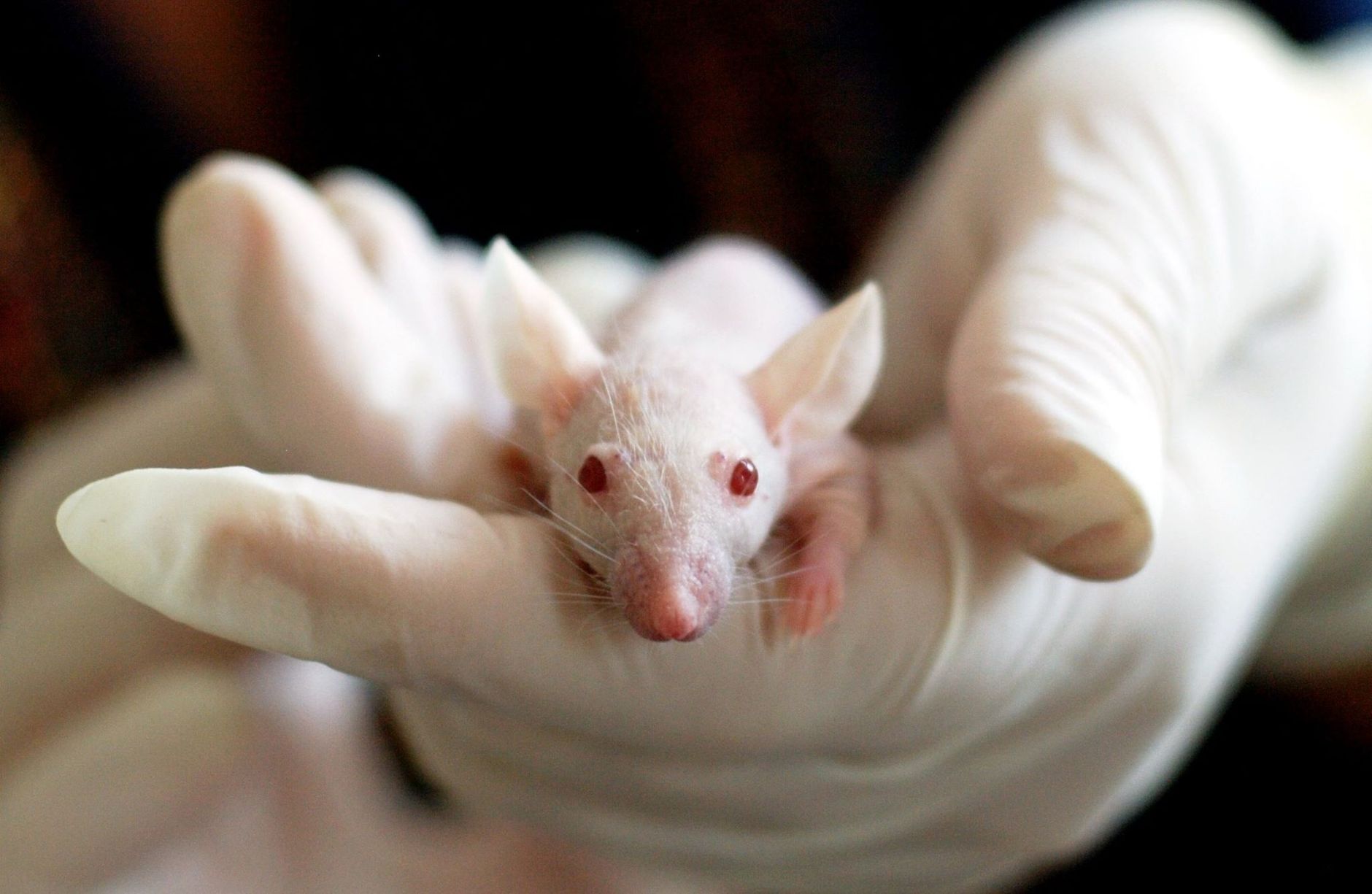
animal testing mandate is finally being addressed by the FDA, complying with the 2022 law that aims to end the requirement for animal testing.
Understanding the 2022 Law
The recent actions by the FDA signal a significant shift in how the agency approaches the animal testing mandate established in 2022. This law was designed to phase out unnecessary animal testing in favor of more humane and effective alternatives. Key elements of the law include:
- Research Alternatives: Encouraging the development of non-animal testing methods that provide reliable results.
- Regulatory Guidance: Establishing clear guidelines for industries to follow as they transition away from animal testing.
- Transparency Requirements: Mandating that companies disclose their testing methods and results to ensure accountability.
As the FDA begins to comply with this law, it represents a crucial step towards a future where animal testing is no longer a standard practice in the biomedical field.
FDA’s New Compliance Measures
The FDA has announced new compliance measures aimed at adhering to the 2022 law that ends the animal testing mandate for cosmetic products. This pivotal decision is seen as a significant step toward modernizing testing methods and promoting alternative approaches.
Key actions include:
- Implementation of Advanced Technologies: The FDA will invest in innovative testing methods that do not rely on animal testing.
- Streamlined Approval Processes: New guidelines will be established to expedite the approval of products using alternative testing methods.
- Increased Transparency: The agency plans to publish regular updates on the progress of these new initiatives.
With these measures, the FDA aims to foster a safer and more ethical approach to product testing, aligning with public sentiment against the animal testing mandate.
Impact on Animal Welfare
The recent developments surrounding the animal testing mandate are poised to have significant implications for animal welfare. With the FDA’s commitment to comply with the 2022 law, advocates are hopeful that this shift will lead to a reduction in the number of animals subjected to testing.
Supporters of the new measures emphasize the importance of alternative testing methods that can provide reliable results without the ethical concerns associated with animal use. These methods not only promise to enhance scientific accuracy but also aim to establish a more humane approach to product safety.
As the FDA implements these changes, it is crucial for stakeholders to monitor the impact on animal welfare. The transition may set a precedent for future regulations, highlighting the necessity for continued advocacy and innovation in testing alternatives.
Alternatives to Animal Testing
As the FDA takes steps to comply with the 2022 law ending the animal testing mandate, researchers are exploring various alternatives that could replace traditional methods. These alternatives not only promise to reduce animal suffering but also aim to enhance the accuracy of testing results.
Some notable alternatives include:
- In vitro testing: This method utilizes cell cultures to assess toxicity and efficacy without involving live animals.
- Computer modeling: Advanced algorithms can simulate biological processes, providing insights that were traditionally gathered through animal testing.
- Organs-on-chips: Miniaturized organ systems that mimic human biology can be used to study disease and drug effects more reliably.
These innovative approaches represent a significant shift in the scientific community and align with the goals of the newly enacted legislation.
Industry Reactions to Changes
Industry reactions to the recent changes surrounding the animal testing mandate have been mixed. Many organizations and companies are voicing their support for the FDA’s compliance with the 2022 law, viewing it as a significant step toward modernizing testing methods.
- Support for Innovation: Advocates argue that the focus on alternatives will foster innovation and lead to more effective safety assessments.
- Concerns from Traditionalists: Some industry leaders express concern over the potential risks associated with moving away from established animal testing protocols, fearing it may impact research integrity.
- Call for Collaboration: Many stakeholders emphasize the need for collaboration between regulatory bodies and scientists to ensure a smooth transition and the development of reliable alternatives.
Overall, the shift in policy has sparked important discussions about the future of testing in the industry.
Future of Research Practices
The future of research practices is poised for significant transformation as the animal testing mandate is set to evolve. With regulatory bodies like the FDA actively moving towards compliance with the 2022 law, researchers are exploring innovative methodologies that could replace traditional animal testing.
Several factors are driving this shift:
- Technological Advancements: Improved in vitro testing and computational models are becoming increasingly reliable.
- Ethical Considerations: Growing public awareness about animal welfare is prompting a reevaluation of testing practices.
- Regulatory Support: Government incentives are encouraging the adoption of alternative methods.
As these changes take root, the focus will likely shift towards developing more humane and effective research practices that align with both scientific and ethical standards.
Legal Implications of Compliance
The recent shift towards compliance with the 2022 law ending the animal testing mandate has significant legal implications for various stakeholders. Companies are now required to adhere to updated regulations that prioritize non-animal testing methods. Failure to comply may result in stringent penalties, including fines and restrictions on product approvals.
Furthermore, regulatory bodies will increase scrutiny on organizations that continue to rely on animal testing, prompting many to reassess their research methodologies.
Legal experts emphasize the importance of understanding these new compliance measures, as they could shape the future landscape of the industry. The transition not only aligns with ethical considerations but also encourages innovation in alternative testing methods, ultimately benefiting both businesses and consumers.
In conclusion, the legal framework surrounding the animal testing mandate is evolving, demanding proactive adaptation from all involved parties.
Public Opinion on Animal Testing
Public opinion on animal testing has evolved significantly in recent years, particularly in light of the recent animal testing mandate. A growing number of individuals and organizations advocate for more humane research practices, emphasizing the need for alternatives that do not involve animals.
According to a recent survey, approximately 68% of respondents oppose animal testing, reflecting a shift towards ethical considerations in scientific research. Many people believe that advancements in technology can provide better solutions without the ethical dilemmas associated with animal use.
This change in sentiment has prompted policymakers and industry leaders to reconsider their approaches to research. As a result, there is an increasing push for regulations that prioritize the development and validation of non-animal testing methods, showcasing a societal commitment to more compassionate and innovative science.
Photo by Pixabay on Pexels
References
Labelling rules for soaps: Clear guidelines for consumers · Canada citizenship law: What’s the Right Change to Expect? · U.S. sanctions law: The Wrong Move for India’s Oil Trade
About the Author