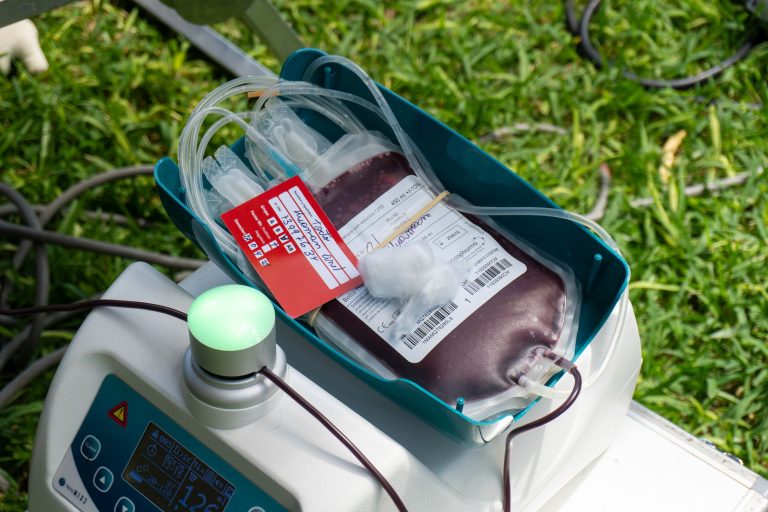
Organ Donation Consequences are often overlooked in discussions about the law. This article explores the unintended effects that can arise from organ donation policies and practices.
Understanding Organ Donation Laws
Understanding the intricacies of organ donation laws is essential to grasp the full scope of organ donation consequences. These laws vary significantly across different regions and can impact both donors and recipients profoundly.
Key aspects of organ donation laws include:
- Consent requirements: Many jurisdictions require explicit consent from the donor or their family, which can lead to difficult discussions during critical times.
- Allocation policies: Laws dictate how organs are allocated, which can affect waiting times and the chances of survival for patients in need.
- Legal protections: Some laws provide protections for both donors and recipients, ensuring that the process is ethical and fair.
Ultimately, navigating these laws can illuminate the unforeseen consequences of organ donation, shaping lives in ways that are often not immediately apparent.
The Ethics Behind Organ Donation
The ethics behind organ donation is a complex and often debated topic. While the act of donating organs can save lives, it also raises questions about consent, equity, and the potential for exploitation.
One significant concern is the issue of informed consent. Are donors fully aware of the implications of their decisions? Additionally, the disparity in access to organ transplants can lead to ethical dilemmas where wealthier individuals may receive preferential treatment.
Moreover, there are fears surrounding the commodification of organs, where the act of giving is overshadowed by monetary motivations. This leads to discussions about the real consequences of organ donation on society, including the potential for increased trafficking in organs.
- Ethical concerns about consent
- Disparity in access to transplants
- Commodification of organs
Case Studies of Unintended Consequences
Case studies have revealed several unintended consequences of organ donation that impact both donors and recipients. In one notable instance, a donor’s family was left grappling with emotional turmoil after the donation process, as they felt a profound sense of loss despite saving a life. This highlights the complex nature of organ donation consequences beyond the immediate medical outcomes.
Another case involved a recipient who faced severe complications post-transplant, leading to a prolonged recovery period and affecting their quality of life. This situation illustrates that while organ donation can be life-saving, it can also result in unforeseen challenges that complicate the donor-recipient relationship.
These examples underscore the importance of thorough counseling and support systems for both parties, ensuring that the broader implications of organ donation are fully understood.
Impact on Families and Patients
The impact of organ donation extends far beyond the operating room, affecting both families and patients in profound ways. For families, the decision to donate can bring a mix of grief and solace, as they navigate the loss of a loved one while knowing their gift may save another’s life. This duality often leads to complex emotional responses.
Patients waiting for transplants face their own set of challenges. The uncertainty surrounding availability can lead to anxiety and despair, highlighting the urgency and importance of organ donation. Many experience a sense of hope upon receiving a transplant, which radically alters their quality of life.
- Emotional strain: Families must cope with loss while finding peace in their decision.
- Survival rates: Successful transplants can significantly improve patient outcomes.
- Awareness: Education on organ donation consequences is crucial for informed decisions.
Legal Challenges in Organ Donation
The legal landscape surrounding organ donation is complex and often fraught with challenges. Many jurisdictions have specific regulations that govern the process, which can lead to unintended consequences affecting both donors and recipients.
One major challenge is the inconsistency in laws across different states and countries. This can create confusion and hinder the effectiveness of organ donation programs. Additionally, legal issues may arise in the event of donor disputes, particularly in cases involving living donors.
The consequences of these legal challenges can be significant, impacting not only the availability of organs but also the emotional and psychological well-being of families involved. Understanding the legal ramifications is crucial, as they directly relate to the broader topic of organ donation consequences.
As laws continue to evolve, ongoing dialogue among stakeholders is essential to navigate these complexities effectively.
Future of Organ Donation Legislation
The future of organ donation legislation is poised to evolve significantly, driven by the need to address the complex consequences of current laws. As awareness grows regarding the unintended consequences of existing policies, lawmakers are increasingly called to reevaluate their approaches. This includes examining the balance between encouraging donations and ensuring ethical practices.
Several key factors are likely to shape future legislation:
- Public Awareness: Increased education about organ donation can help demystify the process and encourage participation.
- Technology Integration: Advances in medical technology may facilitate better matching of donors and recipients, reducing waiting times.
- International Cooperation: Collaborative efforts among countries could lead to standardized practices that respect cultural differences while maximizing organ availability.
As these changes unfold, understanding the consequences of organ donation remains critical for all stakeholders involved.
Conclusion: Navigating the Complexities
In conclusion, navigating the complexities of organ donation requires a deep understanding of its myriad consequences. As we have explored, the legal framework surrounding organ donation is intricate, often leading to unintended outcomes that affect all parties involved.
Families face emotional turmoil as they grapple with the decision to donate, while patients await life-saving transplants with hope and trepidation. The ethical considerations add another layer of complexity, making it crucial for stakeholders to engage in open dialogue about the implications of their choices.
Furthermore, as legislation evolves, it is essential to remain vigilant about the potential consequences of new laws and practices surrounding organ donation. By prioritizing education and awareness, we can ensure that the benefits of organ donation are maximized while minimizing its unintended consequences.
- Understanding the emotional impact on families
- Recognizing the need for ethical discussions
- Advocating for patient rights and informed consent
The discussion surrounding Organ Donation Consequences often highlights the profound impact on families and communities. Understanding the Organ Donation Consequences can lead to more informed decisions and greater awareness about the importance of this life-saving act.
Photo by Gustavo Fring on Pexels
Sources
Related stories
Debt Recovery Claims: The Proven Limitation Period Ruling · Russell Brand prison sentence: Worst legal change impacts him · Arrest Rule: The Right Way to Ensure Liberty
About the Author