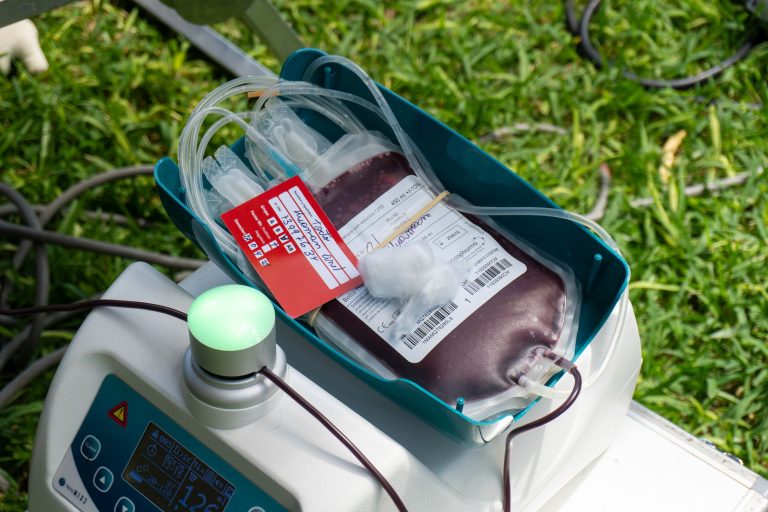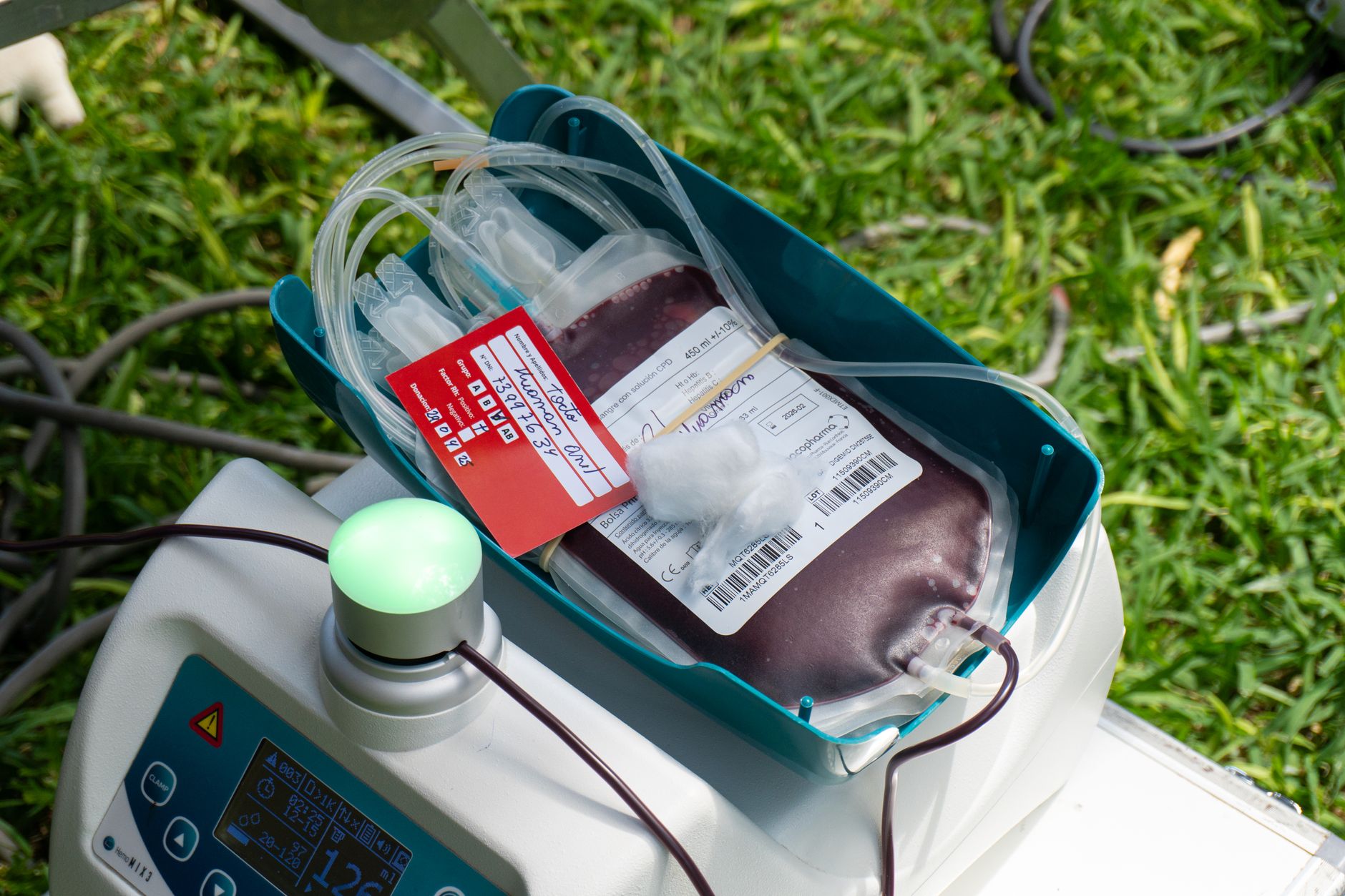
Jehovah’s Witnesses blood transfusions present significant legal and ethical dilemmas. This article explores what human rights law says about this contentious issue.
Understanding Jehovah’s Witnesses Beliefs
Jehovah’s Witnesses hold specific beliefs regarding medical treatments, particularly blood transfusions. These beliefs are rooted in their interpretation of biblical texts, which they believe prohibit the consumption of blood. As a result, Jehovah’s Witnesses refuse blood transfusions, even in life-threatening situations, viewing this as a matter of faith and obedience to God.
Many members are educated about their beliefs from a young age, leading to a strong community consensus on the issue. They often seek alternative medical treatments that align with their religious principles, such as:
- Using bloodless surgery techniques
- Utilizing medications that enhance blood production
- Employing plasma expanders and other non-blood alternatives
This commitment to their beliefs raises complex questions regarding personal choice and medical ethics, particularly when considering the role of human rights law in relation to Jehovah’s Witnesses blood transfusions.
The Legal Framework Surrounding Blood Transfusions
The legal framework surrounding blood transfusions and the beliefs of Jehovah’s Witnesses is complex and multifaceted. In many jurisdictions, individuals have the right to refuse medical treatments, including blood transfusions, based on their religious beliefs.
Human rights laws generally uphold the principle of autonomy, allowing patients to make informed decisions about their own medical care. However, these rights can sometimes conflict with state interests, particularly when a minor is involved.
In such cases, courts may intervene to ensure the child’s safety, which can lead to contentious legal battles. Some key points in this context include:
- Religious Freedom: The right to practice one’s religion is protected, yet it must be balanced against the state’s obligation to protect life.
- Informed Consent: Patients must be fully informed about the risks of refusing blood transfusions.
- Legal Precedents: Numerous court cases have shaped the current understanding of the rights of Jehovah’s Witnesses regarding blood transfusions.
Human Rights Implications of Refusing Treatment
The refusal of blood transfusions by Jehovah’s Witnesses raises significant human rights implications, particularly concerning the right to life and informed consent. Many adherents believe that accepting blood products violates their religious convictions, leading to life-threatening situations that challenge medical ethics and legal standards.
Human rights law emphasizes the importance of personal autonomy and the right to make decisions regarding one’s health. As such, the choices made by Jehovah’s Witnesses regarding blood transfusions should be respected, provided individuals are fully informed about the potential risks involved. However, this can create a complex dilemma for healthcare providers who must balance respect for religious beliefs with their obligation to preserve life.
In many jurisdictions, courts have recognized the rights of Jehovah’s Witnesses to refuse blood transfusions, which underscores the tension between individual beliefs and societal health norms. This ongoing discourse highlights the need for sensitive approaches in medical practice that respect both religious freedoms and patient welfare.
Case Studies on Blood Transfusion Refusal
Case studies involving Jehovah’s Witnesses and blood transfusions illustrate the complexities surrounding their beliefs and medical choices. One notable case involved a young mother who refused a blood transfusion during childbirth, adhering to her religious convictions. Tragically, she passed away due to complications, prompting discussions about the potential consequences of such refusals.
In another instance, a teenager, influenced by their faith, opted against a vital blood transfusion after a serious car accident. Medical professionals respected the decision but faced ethical dilemmas regarding the patient’s well-being. These situations highlight the tension between individual rights and medical necessity.
While the legal framework supports the autonomy of Jehovah’s Witnesses to refuse blood transfusions, it raises vital questions about informed consent and the role of healthcare providers. Ultimately, these case studies serve as a reminder of the delicate balance between respecting religious beliefs and ensuring patient safety in critical medical situations.
Expert Opinions on Legal Rights and Medical Ethics
Experts in medical ethics and law express contrasting views on the implications of Jehovah’s Witnesses blood transfusions. Some argue that the right to refuse treatment based on religious beliefs is a fundamental human right. Dr. Emily Johnson, a bioethicist, states, “Patients should have autonomy over their medical choices, including the refusal of blood transfusions.” This perspective emphasizes respect for individual beliefs and the importance of informed consent.
Conversely, others highlight the potential consequences of such refusals. Professor Mark Thompson warns, “When a patient refuses life-saving treatment, healthcare providers face ethical dilemmas that can lead to dire outcomes.” He stresses the need for a balance between respecting religious beliefs and ensuring patient safety.
Additionally, legal experts point out that while the rights of Jehovah’s Witnesses must be honored, the healthcare system also has a duty to protect life. This ongoing debate continues to evolve as more cases arise, challenging both medical ethics and legal frameworks.
The debate surrounding Jehovah’s Witnesses blood transfusions often centers on the religious beliefs that guide their choices. Understanding the implications of these beliefs is crucial for both medical professionals and patients when discussing Jehovah’s Witnesses blood transfusions.
Photo by Manuel Camacho-Navarro on Pexels
Sources
You might also like
- Karnataka HC ED Proceedings: Clear Guidelines for Justice
- Star Trek Commander combo: Worst rule change for players
- Commercial Transactions Law: Is It the Best Framework for Business?
About the Author