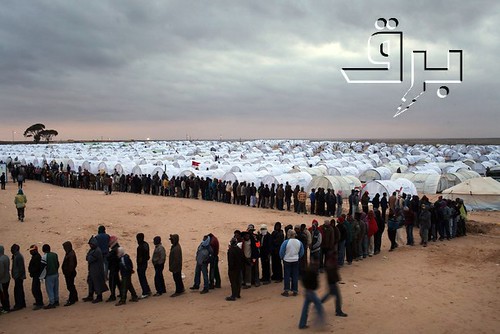
The Rohingya genocide ruling is now facing a geopolitical test as countries grapple with the implications of the verdict. This situation raises questions about international law and humanitarian responses.
Overview of the Rohingya genocide ruling
The recent ruling on the Rohingya genocide has sparked significant international attention and debate. This landmark decision, addressing the atrocities faced by the Rohingya people in Myanmar, highlights the complexities surrounding humanitarian intervention and global accountability.
As the international community grapples with the implications of the ruling, several key factors emerge:
- Legal Precedents: The ruling sets a crucial legal framework for future cases concerning genocide and human rights violations.
- Geopolitical Implications: Countries with vested interests in Myanmar may face pressure to reconsider their diplomatic and economic ties.
- Humanitarian Response: The international response to the ruling will significantly impact aid efforts and the protection of the Rohingya diaspora.
Ultimately, the Rohingya genocide ruling presents a clear geopolitical challenge, prompting nations to balance their interests with moral obligations to uphold human rights.
Impact on international relations
The recent Rohingya genocide ruling presents significant implications for international relations, as countries grapple with how to respond to the findings. The ruling not only highlights the atrocities faced by the Rohingya people but also challenges the diplomatic ties between Myanmar and various nations.
Several countries have expressed strong condemnation following the ruling, which may lead to:
- Increased sanctions: Nations might impose stricter economic sanctions on Myanmar, aiming to pressure its government into accountability.
- Humanitarian aid shifts: Aid organizations could redirect their efforts towards supporting Rohingya refugees, impacting regional stability.
- Geopolitical alliances: Countries may reassess their partnerships with Myanmar, aligning more closely with nations advocating for human rights.
As the international community deliberates on the next steps, the Rohingya genocide ruling serves as a crucial test of global commitment to human rights and justice.
Legal implications of the ruling
The recent Rohingya genocide ruling has significant legal implications that extend beyond the immediate context of Myanmar. The decision could set a critical precedent in international law, particularly regarding the responsibilities of states in preventing genocide.
Legal experts emphasize several key points:
- Accountability: The ruling reinforces the idea that states may be held accountable for failing to protect vulnerable populations.
- Precedent: This case may pave the way for future claims against nations that engage in or condone genocidal acts.
- Jurisdiction: The ruling tests the extent of international courts’ jurisdiction over national actions, prompting debates on sovereignty versus global responsibility.
- Enforcement: The implementation of any legal outcomes remains uncertain, raising questions about how to enforce international law effectively.
As the world watches, the Rohingya genocide ruling challenges the international community to act decisively against mass atrocities.
Responses from global leaders
In the wake of the recent Rohingya genocide ruling, global leaders have expressed a range of reactions, highlighting the geopolitical challenges that lie ahead. Many countries are now reconsidering their diplomatic ties with Myanmar, while others are calling for stronger international action.
- United States: The U.S. government has reaffirmed its commitment to holding accountable those responsible for the atrocities, advocating for targeted sanctions against Myanmar’s military leaders.
- European Union: The EU has signaled its support for the ruling, emphasizing the need for a coordinated global response to protect human rights and provide aid to the Rohingya population.
- Bangladesh: As the host of the largest number of Rohingya refugees, Bangladesh has urged international organizations to pressure Myanmar for safe repatriation efforts.
These responses underscore the complexity of addressing the situation, as nations grapple with their strategic interests while advocating for justice and humanitarian support.
Future of Rohingya refugees
The future of Rohingya refugees remains uncertain following the recent Rohingya genocide ruling. As international tensions rise, the plight of these individuals is becoming increasingly complex. Many countries are grappling with the implications of the ruling and how they can respond effectively.
A significant challenge lies in the resettlement of Rohingya refugees, as host countries face their own political pressures. The following factors play a crucial role in shaping their future:
- International Aid: The level of support from nations and organizations will influence the stability of refugee camps.
- Repatriation Efforts: Negotiations for safe return to Myanmar must consider the safety and rights of the refugees.
- Public Sentiment: Local attitudes towards refugees can impact integration and acceptance in host countries.
Ultimately, the geopolitical ramifications of the ruling will dictate the fate of the Rohingya community in the coming years.
Geopolitical dynamics in Southeast Asia
The Rohingya genocide ruling has introduced a new layer of complexity to the geopolitical dynamics in Southeast Asia. As countries in the region navigate their relationships with Myanmar, the implications of the ruling cannot be overlooked.
Several nations are currently grappling with their positions, balancing humanitarian concerns against strategic interests. Key players include:
- Bangladesh: Hosting a large population of Rohingya refugees, it faces pressure to advocate for justice while managing its own domestic challenges.
- China: A significant ally of Myanmar, it may leverage its influence to shape the narrative surrounding the genocide ruling.
- India: With its growing regional ambitions, it seeks to maintain stability while being cautious of the humanitarian crisis.
As the international community watches closely, the ruling not only serves as a litmus test for accountability but also highlights the intricate web of alliances and rivalries in Southeast Asia.
Read the original
You might also like
- HIPAA Privacy Rule Overhaul: Clear Steps for Compliance
- ICJ ruling on Myanmar: Clear stakes for Rohingya survivors
- Bangladesh political situation: Hasina’s December 16 return ruled out
About the Author