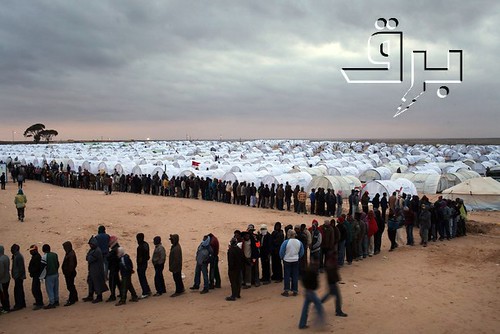
ICJ ruling on Myanmar has monumental implications for Rohingya survivors and international relations. This decision highlights the urgent need for accountability and support from global powers.
Understanding the ICJ’s Ruling
The International Court of Justice (ICJ) delivered a significant ruling regarding Myanmar, shedding light on the ongoing plight of the Rohingya survivors. This decision is pivotal for several reasons.
- Legal Precedent: The ICJ’s ruling sets a crucial legal precedent, emphasizing the need for accountability in cases of genocide and human rights violations.
- Protection of Rohingya: The court’s decision could lead to enhanced protections for the Rohingya people, who have faced severe persecution and displacement.
- International Response: The ruling urges world governments to take a more active role in addressing the humanitarian crisis in Myanmar, potentially influencing diplomatic relations and aid policies.
- Regional Implications: Neighboring countries, including India, may need to reassess their approach to Myanmar, considering the implications of the ICJ ruling on regional stability.
As the international community grapples with the consequences, the ICJ ruling on Myanmar underscores the urgency of supporting Rohingya survivors and ensuring justice is served.
Impact on Rohingya Survivors
The recent ICJ ruling on Myanmar has far-reaching implications for the Rohingya survivors, who have endured immense suffering and displacement. As the court emphasizes accountability and justice, the ruling may provide a glimmer of hope for those affected by the atrocities.
The decision is crucial for the Rohingya community, as it highlights several key areas of impact:
- Legal Recognition: The ruling offers formal recognition of the Rohingya’s plight, potentially leading to increased international support and advocacy.
- Pressure on Myanmar: By holding the Myanmar government accountable, the ICJ ruling aims to pressure the authorities to cease human rights violations.
- Global Awareness: The ruling brings global attention to the Rohingya crisis, encouraging countries to engage in dialogue and support humanitarian efforts.
Ultimately, the ICJ ruling on Myanmar could serve as a catalyst for change, fostering pathways to justice and potentially paving the way for a safer future for the Rohingya survivors.
Global Reactions and Responsibilities
The recent ICJ ruling on Myanmar has elicited a myriad of responses from global leaders and organizations, reflecting the international community’s concern over the plight of the Rohingya survivors.
- United Nations: The UN has reiterated its commitment to ensuring accountability for the atrocities committed against the Rohingya people, emphasizing the need for Myanmar to comply with the court’s ruling.
- Human Rights Organizations: Various NGOs have called for immediate action to protect the Rohingya and hold Myanmar accountable, urging countries to impose sanctions and cease military cooperation.
- Regional Responses: Neighboring countries in Southeast Asia are facing pressure to address the refugee crisis, with some advocating for a coordinated approach to assist Rohingya survivors.
- India’s Stance: India has expressed its concern regarding regional stability and the humanitarian situation, balancing its diplomatic ties with Myanmar while addressing the needs of the Rohingya community.
As the implications of the ICJ ruling unfold, the responsibilities of global actors remain critical in supporting and protecting the rights of the Rohingya survivors.
India’s Role in the Situation
India’s role in the ongoing crisis concerning the ICJ ruling on Myanmar is pivotal, given its geographical proximity and historical ties to the region. As one of the largest countries in South Asia, India has the responsibility to address the humanitarian needs of Rohingya survivors who have sought refuge within its borders.
The Indian government has faced criticism for its treatment of Rohingya refugees, with many advocacy groups urging for a more compassionate approach. Currently, India has taken a cautious stance, balancing its national security concerns with its obligations under international law.
Moreover, India’s engagement with Myanmar’s military government complicates its position. By maintaining diplomatic relations, India aims to counter China’s influence in the region, but this strategy may come at the cost of human rights considerations.
As the ICJ ruling on Myanmar unfolds, India must navigate these challenges carefully to contribute positively to the welfare of Rohingya survivors and uphold its commitments to international norms.
Where this came from
Related stories
- Bangladesh political situation: Hasina’s December 16 return ruled out
- Beyond the Call transaction: Worst Termination News for Syntheia
- THC drinks legal issues: What’s the real impact?
About the Author