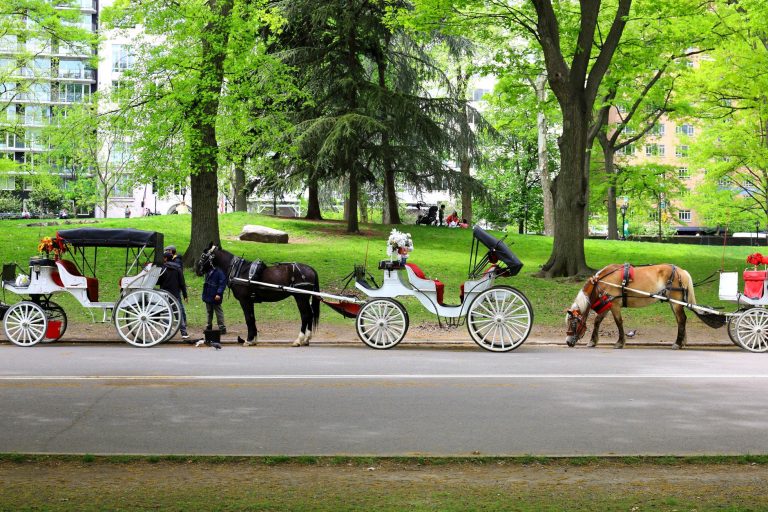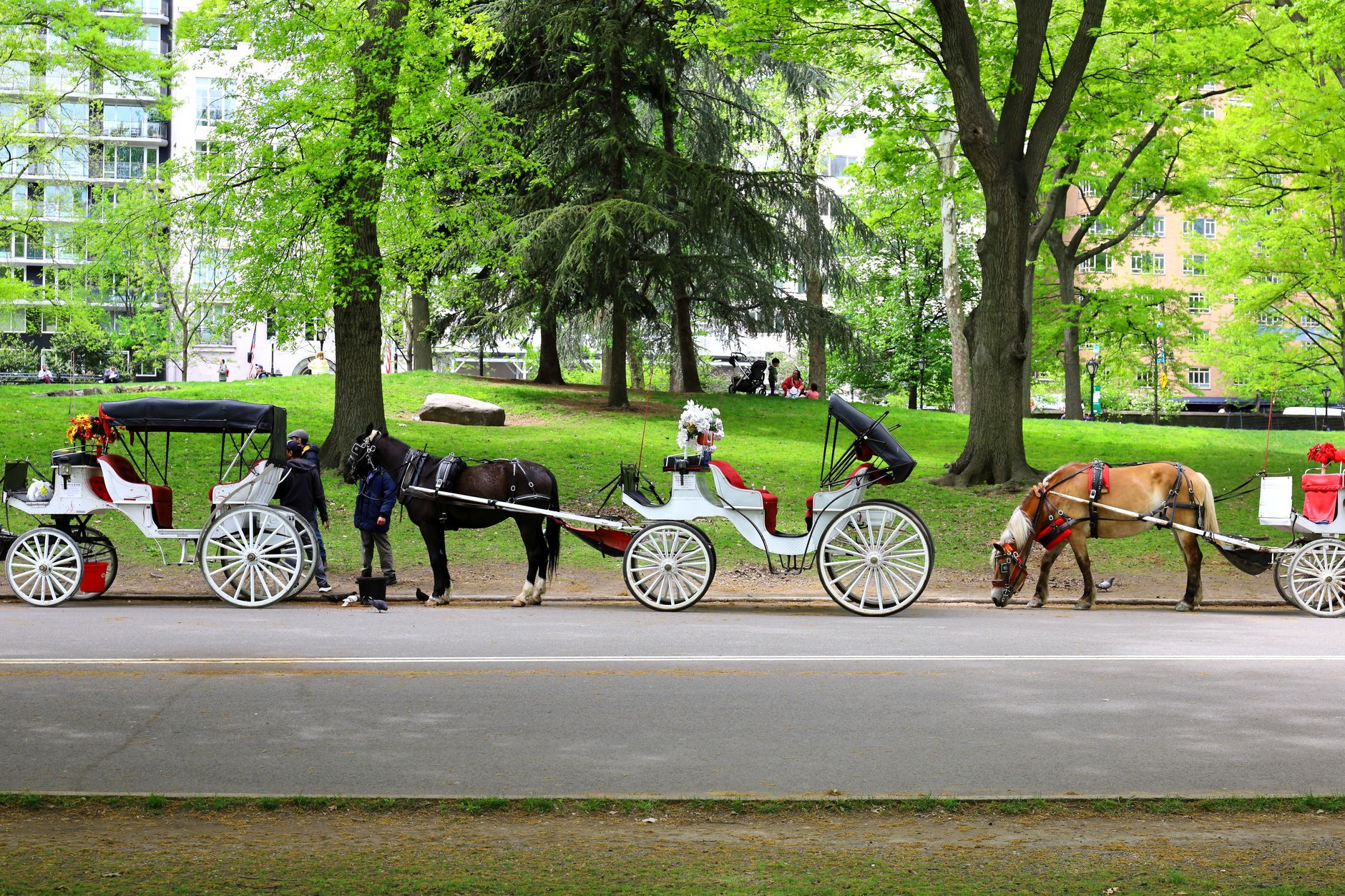
The horse carriage industry ban is now law in NYC, a significant step towards enhancing animal welfare and modernizing urban transportation.
Overview of the New Law
In a significant move for animal welfare, NYC Mayor Mamdani has officially signed a bill banning the horse carriage industry within the city. This new law aims to address growing concerns regarding the treatment and living conditions of horses used for carriage rides in urban environments. Advocates for the ban argue that the bustling streets of New York City pose numerous dangers to horses, including traffic and pollution, which can negatively impact their health and well-being.
The legislation has garnered support from various animal rights organizations, which highlight the importance of protecting these animals from exploitation and ensuring they lead healthier lives. The ban will not only put an end to the horse carriage industry but also promote alternative modes of transport that do not involve animal labor.
Key points of the new law include:
- Immediate cessation of horse-drawn carriages operating within city limits.
- Provision of retirement options for horses previously involved in the industry.
- Implementation of more humane transportation alternatives for tourists.
Impact on NYC’s Transportation
The recent horse carriage industry ban in New York City marks a significant shift in urban transportation dynamics. As Mayor Mamdani officially signed the bill into law, the impact on the city’s transportation landscape is expected to be profound.
With the removal of horse-drawn carriages from the streets, several key changes are anticipated:
- Reduction in Traffic Congestion: The ban is likely to decrease the number of slow-moving vehicles on busy streets, allowing for smoother traffic flow.
- Enhanced Safety: Eliminating horse carriages can reduce accidents involving tourists and pedestrians, contributing to overall public safety.
- Promotion of Sustainable Alternatives: The city aims to encourage eco-friendly transportation options, such as electric carriages or bike rentals, to meet tourists’ needs.
- Improved Animal Welfare: The legislation prioritizes the well-being of the horses, ensuring they are no longer subjected to the stresses of urban life.
As NYC embraces this new direction, the focus will likely shift toward innovative transportation solutions that align with the city’s vision for a greener future.
Animal Welfare Considerations
The recent ban on the horse carriage industry in New York City has sparked a critical conversation about animal welfare. Advocates for animal rights argue that the conditions under which many horses are kept in urban environments are often less than ideal.
Supporters of the ban emphasize several key issues related to the welfare of these animals:
- Living Conditions: Many horses are confined to small stalls and face limited access to natural environments, which can lead to physical and psychological stress.
- Health Risks: Exposure to traffic, noise, and pollution can contribute to health issues for horses, including respiratory problems and chronic stress.
- Labor Demands: The demands of pulling carriages in bustling city streets can be physically taxing, especially in extreme weather conditions, raising concerns about their overall well-being.
As the horse carriage industry ban takes effect, advocates hope it will pave the way for more humane alternatives and better treatment of horses, ensuring their welfare is prioritized over entertainment.
Public Reaction to the Ban
The recent ban on the horse carriage industry in New York City has sparked a wide range of public reactions, reflecting the diverse opinions on the issue. Many animal rights advocates have celebrated the decision, viewing it as a significant step toward improving the welfare of horses used for entertainment purposes. Emily Johnson, a spokesperson for the Animal Rights Coalition, stated, “This law is a victory for those who believe that animals should not suffer for human amusement.”
On the other hand, some locals and tourists express disappointment, arguing that horse-drawn carriages are a charming aspect of the city’s unique culture and history. Mark Thompson, a frequent visitor, shared his views: “Riding in a carriage through Central Park is an iconic experience that visitors cherish.”
Additionally, carriage drivers have voiced concerns about job loss, emphasizing the livelihoods that depend on this industry. Linda Martinez, a long-time carriage driver, remarked, “This ban will leave many families struggling to make ends meet.” As the horse carriage industry ban takes effect, ongoing discussions about its implications continue to unfold across the city.
Future of Urban Transportation
The recent ban on the horse carriage industry in New York City marks a significant shift in urban transportation. As cities continue to evolve, the focus is increasingly on sustainable and humane alternatives that align with modern values. The decision to prohibit horse-drawn carriages reflects a growing trend toward embracing more environmentally friendly options.
City officials are exploring various transportation innovations to replace the traditional horse carriages. These alternatives include:
- Electric carriages: Eco-friendly vehicles that offer a similar experience without the ethical concerns.
- Bicycle rickshaws: A sustainable way to provide transportation while promoting local businesses and reducing emissions.
- Public transit enhancements: Improvements to bus and subway services that prioritize accessibility and efficiency.
As the horse carriage industry ban takes effect, the focus will shift to developing these alternatives and ensuring that they meet the needs of both residents and tourists. The future of urban transportation in NYC could serve as a model for other cities grappling with similar ethical and environmental dilemmas.
Comparative Laws in Other Cities
As New York City implements its horse carriage industry ban, it is important to consider how other cities have approached this issue. Various urban areas across the globe have enacted similar laws aimed at protecting both the environment and animal welfare.
- San Francisco: The city has prohibited horse-drawn carriages in its busy streets, citing concerns over traffic safety and animal rights.
- Paris: In 2017, the city limited the number of horse-drawn carriages operating in the historic areas, while encouraging the use of electric carriages as an alternative.
- Toronto: The city has set strict regulations regarding the care and working conditions of horses used for carriage rides, pushing for more humane treatment.
- London: While horse-drawn carriage rides remain popular, there are increasing calls for bans in certain areas to ensure the safety of both animals and pedestrians.
These examples illustrate a growing trend among major cities to rethink the horse carriage industry, aligning with New York City’s recent decision in favor of animal welfare and urban sustainability.
Next Steps for Implementation
As the horse carriage industry ban is set in motion, several critical steps must be taken to ensure a smooth transition for all stakeholders involved. The city administration is tasked with developing a comprehensive implementation plan that addresses the needs of both the horses and the affected carriage drivers.
To facilitate this process, the following actions are essential:
- Support for Affected Workers: The city will create job training programs to help former carriage drivers find new employment opportunities within the evolving transportation sector.
- Relocation of Horses: Efforts will be made to relocate horses to sanctuaries or farms that prioritize their well-being and provide ample space for them to thrive.
- Public Awareness Campaign: An educational campaign will inform the public about the benefits of the ban, focusing on animal welfare and the importance of sustainable urban transport.
- Monitoring and Enforcement: The city will establish guidelines to monitor compliance with the new law, ensuring that the ban on the horse carriage industry is upheld.
These initiatives will play a crucial role in shaping the future of urban transportation in New York City.
The horse carriage industry ban has sparked a heated debate among New Yorkers, with advocates arguing it will lead to better animal welfare. Meanwhile, opponents of the horse carriage industry ban claim it threatens jobs and tourism in the city.
Photo by Luca Sullivan on Pexels
Read the original
- Demonetisation in India: What’s the Real Impact After 10 Years?
- Oregon rent help: Worst New Rule Threatens Families
- E-Bike Safety Laws: What Are the Best Proven Practices?
About the Author