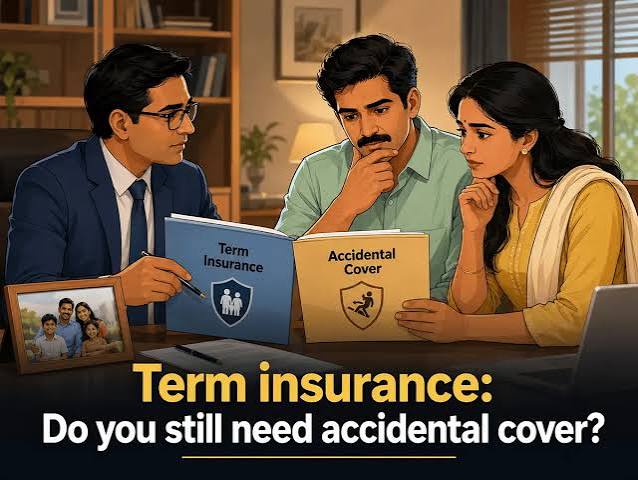
Canadian buyers comparing ad&d policy review usually need fewer slogans and more structure. Accidental death insurance deserves a narrow review because the policy trigger is narrow. The useful question is not which policy sounds impressive, but which policy would still make sense after the first quote is replaced by real application details.
The first screen: purpose and timing: Read the cause-of-death trigger
Start by naming the obligation in plain language: income, debt, final expenses, family support, or a narrow acceptance problem. That single sentence prevents the review from drifting into generic product shopping, especially when the pressure point is read the cause-of-death trigger. For buyers who need a starting point on accidental death policy review, Specialty Life Insurance health-issue guidance gives the comparison a page to return to instead of relying on scattered notes.
The same product can be sensible in one household and wasteful in another. A short mortgage timeline, a long-term dependent, a recent diagnosis, and a fixed retirement income all change the shape of the answer. For this file, the buyer should write down what must happen if the insured person dies, then test that answer against read the cause-of-death trigger and review exclusions.
The second screen: file complexity: Review exclusions
A disciplined review looks for friction before it looks for a premium. Age, amount, term length, residency, beneficiary details, and medical history are not side notes; for ad&d policy review, they decide whether review exclusions is being handled honestly.
The third screen: price versus fit: Compare with broader coverage
Buyers should also avoid comparing two policies as if the only difference is price. A quote can look attractive because the amount is lower, the term is shorter, the underwriting path is narrower, or the policy definition is different. That is why the review should keep compare with broader coverage visible until the end.
For accidental death policy review, the useful tradeoff is not perfection. It is whether the buyer can explain why this policy, this amount, and this application route belong together while still respecting use quotes to test value. If that explanation sounds forced, the next quote should be reframed before anyone commits.
How to move from review to action: Use quotes to test value
The final review should connect the quote back to accidental death policy review rather than a generic household risk. The buyer should still confirm exclusions, waiting periods, beneficiary details, premium stability, and what happens if the application is not approved as expected, with special attention to use quotes to test value.
AD&D can be useful, but only when the buyer knows its limits. The final note should name read the cause-of-death trigger and compare with broader coverage before the decision is treated as settled. From there, request a life insurance quote can help the buyer continue while keeping the original purpose in view. That keeps the next conversation practical and makes it easier to reject a poor fit.
About the Author