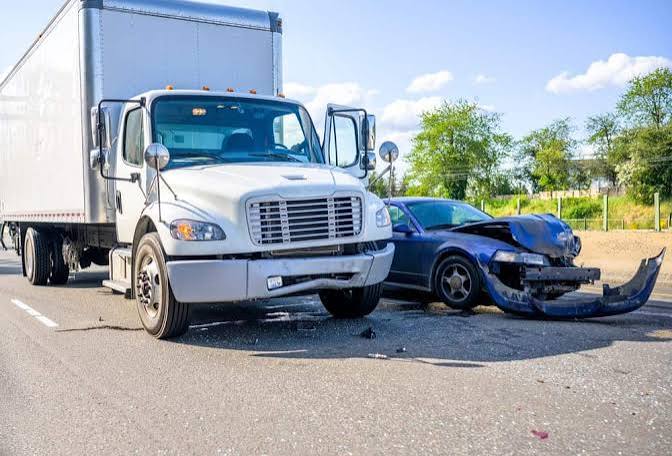
Navigating a divorce is challenging enough — emotionally, financially, and legally. However, the situation becomes even more complex if you sustain injuries in a car accident while your divorce is still pending. At Burnett & Williams, we understand how overwhelming this process can be. Our experienced attorneys, Kimberly Raab and C. James Williams III, have helped countless Virginians protect their legal and financial interests in these difficult moments.
This article outlines how Virginia law treats personal injury settlements during divorce, and what you need to know to safeguard your rights.

Understanding Virginia’s Equitable Distribution Law
Virginia follows an equitable distribution model under Virginia Code §20-107.3, which means marital property is divided fairly — not necessarily equally — during divorce proceedings. Property is generally categorized as:
- Marital property: Acquired during the marriage and subject to division.
- Separate property: Acquired before marriage or as a personal gift/inheritance, and typically not divided.
When it comes to personal injury settlements, the classification can be nuanced:
- Pain and suffering, future medical expenses, and permanent disability compensation are usually treated as separate property.
- Lost wages earned during the marriage and medical expenses paid from joint accounts may be classified as marital property.
That’s why it is critical to carefully itemize the settlement. Our attorneys at Burnett & Williams work with divorce counsel to ensure your settlement is documented in a way that protects your rights.
Does My Spouse Have a Right to My Injury Settlement?
Possibly — but only to the marital portion.
Under Virginia Code §20-107.3(A)(3), any financial recovery during the marriage — including injury settlements — may be partly considered marital, especially if it compensates for:
- Lost wages during the marriage
- Reimbursement for medical bills paid with marital assets
However, Virginia case law (such as Ott v. Ott, 2004) confirms that compensation for personal pain and suffering is separate property, and not subject to division.
In summary:
- Pain & Suffering → Separate property
- Lost Wages / Medical Expenses paid with marital funds → Potentially marital
Proper allocation within the settlement can make a significant difference.
Impact on Child and Spousal Support
Your injury settlement may impact support calculations during divorce. Virginia law requires full disclosure of financial assets when determining child or spousal support obligations.
However, not all portions of your settlement count as income. For example:
- Future medical care and
- Reduced earning capacity compensation
…are not considered disposable income.
Our attorneys work diligently to present accurate settlement breakdowns to the court, helping you avoid inflated support demands based on mischaracterized funds.
Real-Life Example: James W.’s Case
James W., a client in Henrico County, was seriously injured in a car accident while legally separated. His case illustrates how Burnett & Williams helped protect his settlement:
- $100,000 in medical bills
- $50,000 in lost wages
- $400,000 settlement offered
His estranged spouse claimed half the settlement. Working with Kimberly Raab and C. James Williams III, James was able to:
- Establish $250,000 as compensation for pain and suffering — separate property
- Document $100,000 as future medical costs — separate property
- Fairly divide $50,000 in lost wages as marital
Thanks to strategic structuring and proper documentation, James retained most of his settlement — securing his future despite difficult circumstances.
Virginia’s Contributory Negligence Rule
Virginia applies a strict contributory negligence standard — one of the toughest in the nation.
According to the Virginia Supreme Court (Baskett v. Banks, 1970), if you are even 1% at fault, you may be barred from recovering any damages.
This is why it’s crucial:
- Not to admit fault at the scene
- To consult a skilled attorney immediately
- To preserve evidence and witness statements
Burnett & Williams has the experience to build a strong case proving the other party’s full liability, protecting your right to recover compensation.
What to Do If You’re Injured During Divorce
Follow these steps to protect your personal and financial interests:
Hire a Qualified Personal Injury Attorney
Choose a firm that understands both personal injury and family law intersections. Burnett & Williams collaborates with your divorce counsel to ensure a coordinated legal strategy.
Notify Your Divorce Attorney Immediately
Let them know about your injury claim so the appropriate legal protections can be implemented during property and support negotiations.
Keep Thorough Documentation
Track all medical bills, wage losses, and pain-and-suffering experiences. This helps your attorney distinguish between separate and marital damages.
Don’t Accept a Quick Settlement
Insurance companies may push for fast settlements, especially during divorce. Allow your attorney time to maximize your recovery.
Be Aware of Tax Considerations
Although most injury settlements are not taxable, components like punitive damages or interest could be. Proper documentation helps protect you both in court and with the IRS.
Why Clients Choose Burnett & Williams
For over 30 years, Burnett & Williams has been one of Virginia’s most trusted personal injury law firms. Our attorneys, Kimberly Raab and C. James Williams III, bring decades of combined experience — with deep knowledge of both tort law and the unique challenges posed by divorce-related claims.

We don’t just fight for compensation — we fight for your long-term security and peace of mind.
Final Thoughts
A divorce and a serious car accident are two of life’s most stressful events. When they happen simultaneously, the legal and emotional complexity can feel overwhelming.
With Burnett & Williams by your side, you gain the confidence of knowing your rights are protected, your financial future is considered, and your recovery is the top priority.
If you or a loved one is facing this situation, don’t navigate it alone. Call us today for a free consultation. We’re here to help you move forward — with strength, clarity, and expert legal guidance. Call us today at 804-794-0080 or visit us online at burnettwilliams.com to schedule your consultation. Local offices available in Richmond, Hopewell, and Chesterfield.
Frequently Asked Questions (FAQs)
Q1: Will my spouse get part of my car accident settlement during our divorce?
A: Possibly — but only the portion considered marital property. In Virginia, any settlement amounts for lost wages during the marriage or medical expenses paid from joint funds may be divided. However, compensation for pain and suffering, future medical care, and permanent impairment is usually considered separate property and not subject to division.
Q2: What if the accident happened after we separated but before the divorce was finalized?
A: Timing matters. Virginia courts often consider the date of separation when evaluating marital vs. separate property. If the injury occurred after separation, it’s more likely that the settlement will be treated as separate property — but this isn’t guaranteed. Clear documentation and legal guidance are essential.
Q3: Can my personal injury claim delay my divorce proceedings?
A: It can, depending on the complexity and size of the claim. Divorce attorneys may advise waiting to finalize the divorce until the personal injury claim is resolved, especially if the settlement could impact property division or support calculations. Burnett & Williams can work directly with your divorce lawyer to coordinate the best strategy.
Q4: What happens if the vehicle involved in the accident is jointly owned?
A: If the car is jointly titled, issues of ownership, liability, and insurance benefits may arise. For example, if the vehicle is deemed a marital asset, any insurance payout for property damage could be subject to division in the divorce. Our attorneys help clarify vehicle ownership and protect your interest in related claims.
Q5: Will my settlement affect child or spousal support?
A: Yes — potentially. Courts consider each spouse’s financial resources when calculating support. If your settlement increases your financial standing, your spouse might seek higher support payments. However, compensation for future medical costs or loss of earning capacity shouldn’t count as income. We ensure settlement components are properly documented to avoid inflated support obligations.
About the Author