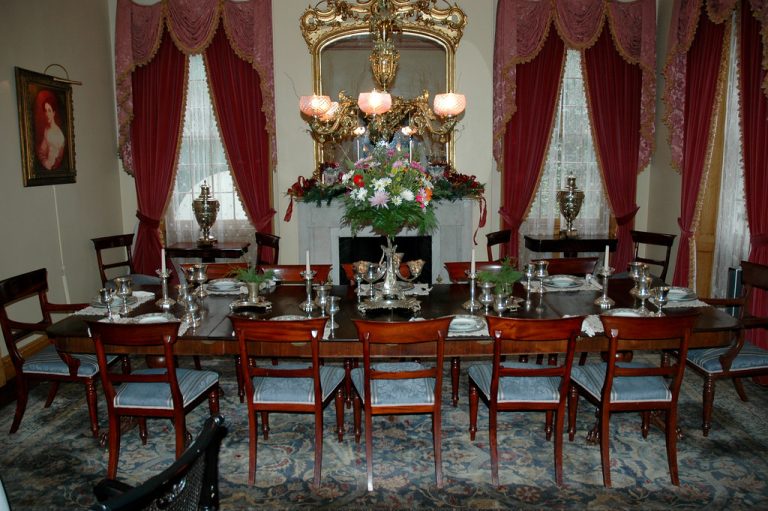
Workplace changes at State House have been ordered by Ruto for immediate implementation. This decision aims to enhance operational efficiency and improve staff morale.
Overview of Ruto’s Decision
In a decisive move aimed at enhancing efficiency and transparency, President Ruto has ordered immediate workplace changes at State House. This initiative reflects his commitment to modernizing the operational framework of the presidential office, ensuring that it aligns with contemporary governance standards.
The changes come in response to widespread calls for reform and are seen as a strategic step to restore public confidence in the presidency. Key aspects of Ruto’s decision include:
- Streamlined Communication: Establishing more direct channels for communication between the president and various departments to facilitate quicker decision-making.
- Enhanced Accountability: Implementing measures to track and report on activities and expenditures at State House, promoting greater transparency.
- Flexible Work Environment: Adopting a more adaptable workplace model that allows for remote work options, reflecting a shift towards modern working conditions.
By instituting these workplace changes at State House, Ruto aims to create a more responsive and accountable government. Observers believe that this proactive approach will not only improve internal operations but also foster a more engaged citizenry.
Impact on State House Staff
The recent workplace changes at State House have sparked a mix of reactions among staff. Following President Ruto’s directive, employees are adapting to new protocols aimed at enhancing efficiency and employee well-being.
One of the most notable adjustments includes the implementation of flexible working hours. This initiative is designed to promote a healthier work-life balance, allowing staff to manage their personal and professional commitments more effectively.
Moreover, the introduction of remote work options has been well received. Many staff members appreciate the opportunity to work from home, a shift that has been facilitated by improved technological infrastructure. This flexibility is expected to boost productivity and morale at State House.
However, not all changes have been embraced without concern. Some employees express anxiety over the potential for increased workload and the need for constant adaptation to new systems. Critics argue that while workplace changes at State House aim to modernize operations, they must also consider the mental health and job satisfaction of the staff.
In response, Ruto’s administration is planning workshops to address these concerns and gather feedback, ensuring that all employees have a voice in the transition process.
Legal Implications of Workplace Changes
The recent workplace changes at State House initiated by President Ruto have stirred discussions regarding their legal implications. As the administration seeks to enhance efficiency and transparency, it is crucial to consider the legal framework surrounding these alterations.
Firstly, the implementation of new policies must comply with existing labor laws to protect employee rights. This includes adherence to regulations about working hours, job descriptions, and workplace safety. If any changes infringe upon these legal standards, State House could face potential lawsuits or grievances from staff members.
Moreover, the workplace changes at State House may necessitate revisions to contracts and agreements with current employees. Legal experts emphasize that any modifications should be communicated effectively to avoid misunderstandings and ensure all parties are aware of their rights and responsibilities.
Additionally, transparency in the decision-making process is vital. Stakeholders, including unions and staff representatives, should be involved to foster a collaborative environment. Not only does this uphold legal obligations, but it also strengthens trust and morale among employees.
In conclusion, navigating the legal landscape of workplace changes at State House will be pivotal for the success of Ruto’s initiatives.
Public Reaction to Ruto’s Orders
The recent workplace changes at State House initiated by President Ruto have sparked a mix of reactions from the public and political commentators. Many citizens express support for the changes, viewing them as a necessary step towards modernizing the government’s approach to work and efficiency.
Social media platforms have been abuzz with discussions, and several key points have emerged:
- Support for Transparency: Many believe that the changes will enhance transparency and accountability within the State House.
- Concerns Over Implementation: Critics worry about how quickly and effectively these changes can be implemented, given the complexities of government operations.
- Call for Inclusivity: Some advocates emphasize the need for inclusivity in the decision-making process regarding these workplace changes at State House.
Additionally, political analysts suggest that these changes reflect Ruto’s commitment to reform and a shift towards a more open working environment. However, the long-term effects remain to be seen as stakeholders continue to voice their opinions on this significant transformation in the heart of the government.
Comparative Analysis with Previous Policies
In analyzing the recent workplace changes at State House, it is essential to compare them with previous policies implemented during past administrations. Historically, workplace structures in governmental offices often exhibited rigid hierarchies, which limited communication and collaboration among staff.
Ruto’s new approach marks a significant departure from these traditional systems in several ways:
- Increased Flexibility: Unlike earlier policies that enforced strict office hours, the current changes promote flexible working conditions, allowing employees to manage their time more efficiently.
- Open Communication: Previous administrations often emphasized a top-down communication model, whereas Ruto encourages open dialogue among all levels of staff, fostering a more inclusive environment.
- Team Collaboration: Past policies frequently isolated departments, but the new changes at State House aim to enhance teamwork through collaborative projects and shared spaces.
- Focus on Wellbeing: Unlike prior initiatives, which overlooked employee wellbeing, Ruto’s reforms prioritize mental health and work-life balance.
These shifts not only reflect Ruto’s vision for an efficient workplace but also align with contemporary trends, positioning State House as a progressive model in governance.
Future of Workplace Environment in Kenya
The future of workplace environment in Kenya is poised for significant transformation, particularly following the recent workplace changes at State House. President Ruto’s initiative aims to create a more efficient and productive atmosphere for staff while fostering inclusivity and collaboration.
As the nation looks forward to these reforms, several key factors will shape the new landscape:
- Modernization of Facilities: Upgrading workspaces to incorporate technology and ergonomic designs will enhance employee comfort and efficiency.
- Flexible Work Arrangements: Introducing remote work options and flexible hours is expected to promote a better work-life balance, crucial for employee satisfaction.
- Cultural Shift: Encouraging open communication and teamwork will help build a more cohesive work environment, breaking down traditional hierarchies.
- Investment in Training: Implementing continuous professional development programs will empower employees and equip them with essential skills for the evolving workplace.
Overall, these workplace changes at State House reflect a broader commitment to modernizing public service in Kenya, setting a precedent for other government institutions to follow.
Conclusion on Ruto’s Leadership Style
In conclusion, President Ruto’s leadership style reflects a significant shift in the workplace environment at State House. By implementing immediate workplace changes, he aims to foster a culture of transparency and efficiency, which many view as a necessary evolution for the institution. These changes are not merely procedural; they signify Ruto’s intent to modernize and adapt to the demands of contemporary governance.
The response from both staff and the public indicates a mixed reaction. While some embrace the new policies as progressive, others express concerns about the potential disruptions these workplace changes at State House may bring. Nevertheless, Ruto’s proactive approach demonstrates a willingness to confront challenges head-on, positioning him as a leader who prioritizes accountability.
As the nation observes these developments, it remains to be seen how these adjustments will influence the overall functionality of the State House. The implications could set a precedent for future administrations, encouraging a shift towards more adaptable and responsive governance. Ultimately, Ruto’s actions may redefine leadership norms in Kenya, promoting a healthier workplace culture that aligns with the aspirations of a modern society.
By MSMcCarthy Photography via Openverse
Sources
Related reading
- Anand Mohan Remission Case: Worst Release Order Quashed
- Is Constitution Day India the Best New Celebration for November?
- New tennis rule: Is it the best way to enhance doubles?
About the Author