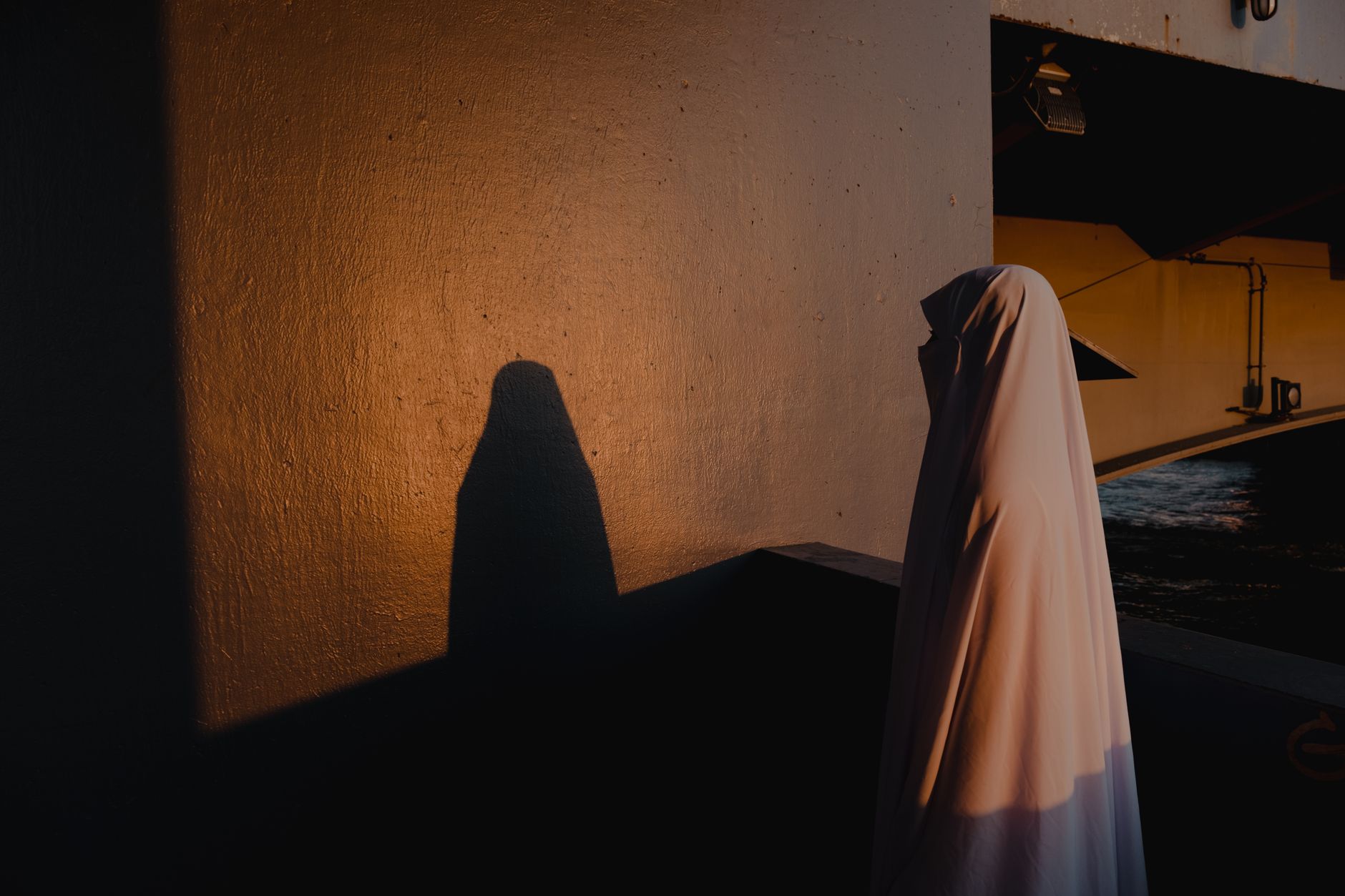
Italy Burqa Ban is making headlines as Meloni announces new rules for schools and foreign students. This legislation aims to promote inclusivity and security in education.
Overview of the Italy Burqa Ban
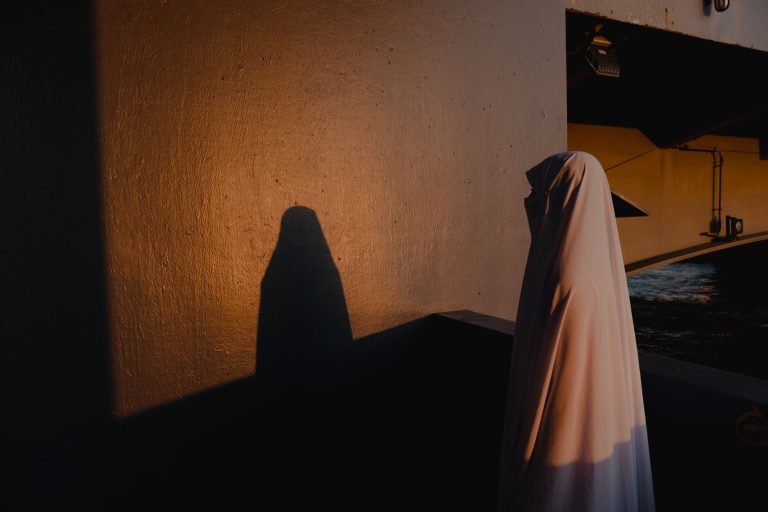
The recent Italy Burqa Ban has sparked significant discussion regarding its implications for education and cultural integration. Announced by Prime Minister Giorgia Meloni, the ban specifically targets the wearing of niqabs and burqas in schools, aiming to foster an environment of openness and communication among students.
As part of the new regulations, foreign students are expected to adhere to clear guidelines that promote respect for Italian cultural values. The government emphasizes the importance of integrating foreign students into the educational system while maintaining a balance with local traditions.
The measures also include:
- Prohibiting face coverings in educational institutions.
- Encouraging dialogue between students of different backgrounds.
- Providing support for international students to adapt to the cultural landscape.
These rules aim to ensure that schools remain spaces for mutual respect, understanding, and cultural exchange, while addressing concerns related to security and social cohesion.
Impact on Foreign Students
The recent Italy Burqa Ban has significant implications for foreign students enrolled in Italian schools. Starting next semester, schools will be required to enforce new dress codes, which may affect students who wear traditional garments such as the niqab.
Many foreign students may find the transition challenging, as adherence to the new regulations could impact their cultural expression and identity. As schools implement these changes, it is crucial for educators to foster an inclusive environment where students feel respected while also adhering to the law.
Key points regarding the impact on foreign students include:
- Adjustment Period: Schools will provide guidelines and support to help students adapt to the new rules.
- Cultural Sensitivity Training: Teachers will undergo training to better understand cultural differences and promote dialogue.
- Potential Exemptions: Discussions are ongoing about possible exemptions for students from specific backgrounds.
Overall, the Italy Burqa Ban aims to balance national security and cultural diversity within educational settings.
New School Regulations Explained
The recent Italy Burqa Ban has prompted the introduction of new regulations aimed at foreign students and schools. These regulations are designed to promote a more inclusive educational environment while respecting cultural differences.
Key aspects of the new school regulations include:
- Dress Code Compliance: Foreign students are required to adhere to the dress code established by their respective schools. This includes restrictions on wearing burqas or niqabs within school premises.
- Awareness Programs: Schools are encouraged to implement awareness programs to educate students about cultural diversity and the reasons behind the burqa ban.
- Support Services: Educational institutions must provide support services for foreign students to help them transition smoothly into the Italian school system.
By enforcing these rules, the Italian government aims to create a cohesive educational atmosphere while addressing the complexities posed by the Italy Burqa Ban.
Public Reaction to the Ban
The recent Italy Burqa Ban has sparked a diverse range of reactions from the public. Many citizens have expressed support for the government’s decision, citing the need for adherence to national values and security concerns. A local resident stated, “It’s important that we maintain our cultural identity, especially in educational settings.”
On the other hand, critics argue that the ban may infringe on personal freedoms and religious expression. A representative from a human rights organization remarked, “Banning the burqa does not solve any issues; it only creates divisions within our society.”
Social media platforms have also become a battleground for opinions. Some users have launched campaigns advocating for the rights of women to choose their attire, while others support the government’s stance.
As the implementation of the ban approaches, the debate continues to evolve, with many calling for dialogue that respects both cultural identity and individual rights. The ramifications of the Italy Burqa Ban will likely unfold in the coming months.
Legal Implications of the Niqab Ban
The recent Italy Burqa Ban has sparked a significant legal debate regarding the implications of the niqab ban in educational settings. Under this new regulation, schools are required to enforce a dress code that prohibits face coverings. This move aims to promote integration and communication among students, particularly for foreign students who may be affected by these changes.
Legal experts argue that the ban raises questions about individual rights versus public safety and integration policies. Critics claim that the Italy Burqa Ban could infringe upon personal freedoms, particularly for those who wear the niqab as a cultural or religious expression. Proponents, however, believe that the ban is essential for ensuring that all students can engage fully in the educational environment.
Furthermore, schools must now navigate the complexities of implementing this ban while respecting diverse cultural backgrounds. Institutions are advised to develop clear guidelines to avoid potential legal challenges and ensure compliance with national laws.
- Potential legal challenges may arise.
- Rights of students versus public safety.
- Need for clear school guidelines.
Comparison with Other Countries
The Italy Burqa Ban has sparked discussions around similar policies implemented in various countries. A comparison reveals differing approaches to face-covering garments in educational settings.
- France: The country has a comprehensive ban on the wearing of religious symbols in public schools, including the burqa. This policy emphasizes secularism and aims to promote social cohesion.
- Belgium: Similar to France, Belgium enforces a ban on face-covering garments in public spaces, which extends to schools. This legislative approach seeks to ensure visibility and communication among students.
- Canada: In contrast, Canada allows niqab and burqa wearing in schools, promoting multiculturalism and individual freedoms. This policy supports diversity while navigating challenges related to integration.
As countries adopt varied stances on the issue, the Italy Burqa Ban positions itself within a broader global context, reflecting ongoing debates about cultural identity, freedom of expression, and societal values.
Future of Education in Italy
The recent Italy Burqa Ban has sparked discussions about the future of education in Italy, particularly for foreign students. Schools are now required to implement clear guidelines that align with this ban, ensuring that all students adhere to a dress code that promotes educational integration and security.
Institutions are expected to provide a supportive environment for students from diverse backgrounds while enforcing these new regulations. This balance poses a challenge, as schools must navigate the delicate line between respecting cultural practices and adhering to national laws.
As the ban is implemented, educators will need to focus on creating curricula that foster understanding and respect among students. Training for teachers on cultural sensitivity may become essential, helping them to address potential conflicts and promote dialogue within the classroom.
Furthermore, the impact on enrolment numbers among foreign students remains to be seen, as families evaluate the implications of the Italy Burqa Ban on their children’s educational opportunities.
Conclusion on the Burqa Ban
In conclusion, the Italy Burqa Ban signifies a pivotal shift in the country’s approach to cultural integration and public safety within educational environments. The new regulations aim to create a more uniform atmosphere in schools, promoting a sense of unity among students while addressing the concerns of parents and educators alike.
As the ban on the burqa and niqab is enforced, foreign students may face challenges in adapting to these changes. Schools are expected to play a crucial role in guiding students through this transition, ensuring that all students understand the importance of compliance with the new rules.
The public reaction has been mixed, reflecting broader societal debates about freedom, identity, and security. As the law takes effect, its long-term implications for community relations and educational dynamics will become clearer. Observers will be keen to see how these regulations influence the future landscape of education in Italy, particularly in multicultural settings.
Photo by Faruk Tokluoğlu on Pexels
Read the original
Victorian sexual violence laws: Clear changes promised · Is Climate-Law Research Funding the Best Investment for Future? · US Tariff Law: What Are the Real Impacts on Trade?
About the Author