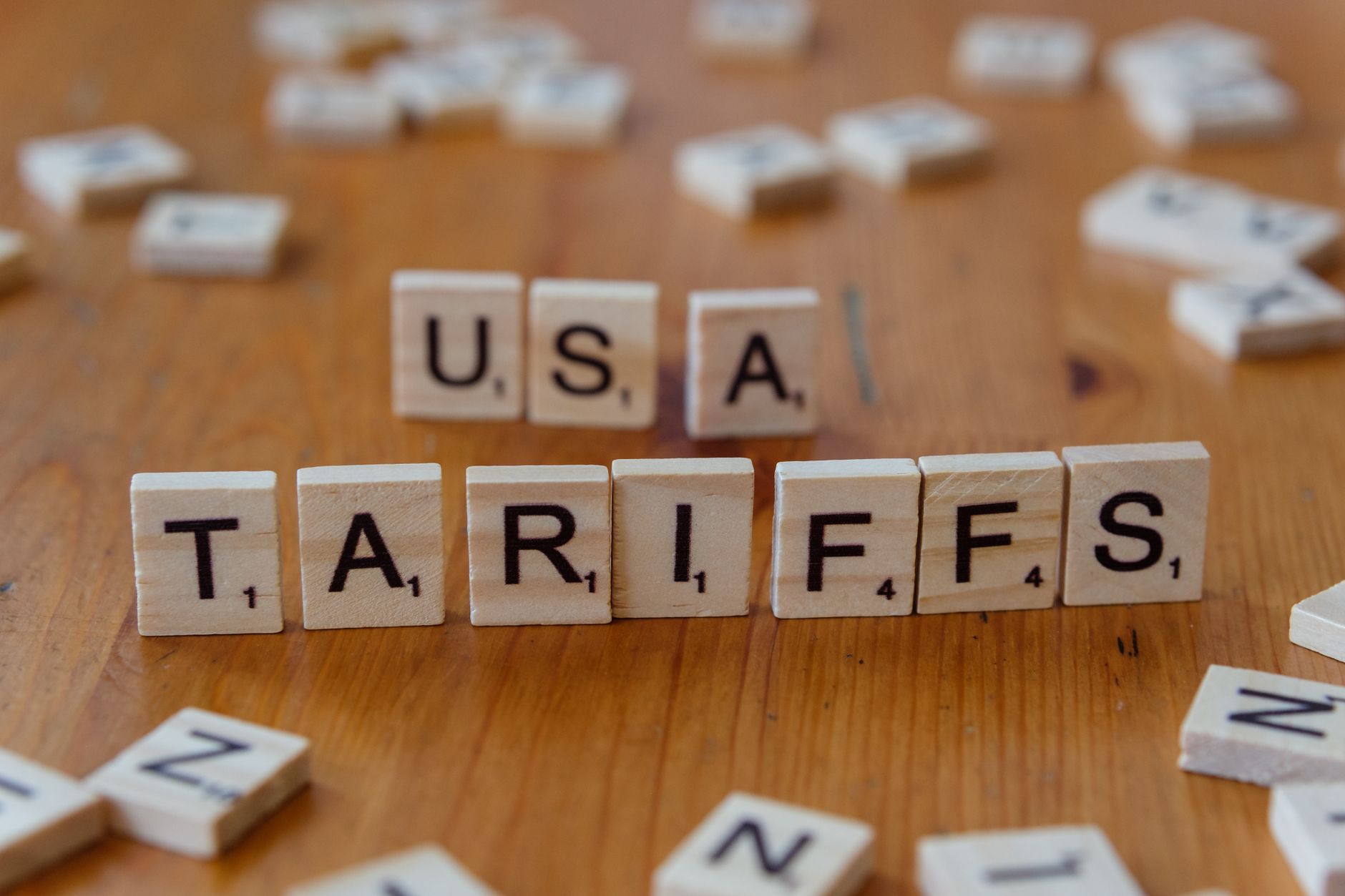
US tariff law is creating significant changes in international trade. This new legislation could lead to a substantial shift in how tariffs are applied and enforced.
Understanding the New US Tariff Law
The recent implementation of the US tariff law has sent ripples through the global trade landscape, sparking discussions about its potential impacts. As tariffs increase on a wide range of imported goods, businesses and consumers alike are beginning to feel the effects.
One of the primary goals of this legislation is to protect domestic industries by making imported products more expensive. However, this approach can have unintended consequences. Here are some key points to consider:
- Higher Consumer Prices: As tariffs are imposed, companies may pass on the increased costs to consumers, leading to higher prices for everyday items.
- Supply Chain Disruptions: Businesses reliant on imported materials may face challenges, prompting them to seek alternative suppliers or adjust their production processes.
- Retaliatory Measures: Other countries may respond with their own tariffs, affecting exports and creating a cycle of trade tensions that could harm international relations.
- Impact on Employment: While some industries may benefit from protection, others could suffer job losses due to reduced exports and increased costs.
As stakeholders navigate these changes, understanding the nuances of the US tariff law will be crucial for making informed decisions in the evolving marketplace.
Implications for Businesses and Consumers
The recent changes in the US tariff law are poised to have significant implications for both businesses and consumers. As tariffs increase on various imported goods, companies may face higher costs that can impact their pricing strategies.
For businesses, the most immediate effect of the new tariff law includes:
- Increased Costs: Higher tariffs can lead to increased production costs, which may be passed on to consumers in the form of higher prices.
- Supply Chain Disruptions: Companies relying on imported materials may need to reassess their supply chains, potentially leading to delays and increased operational challenges.
- Market Uncertainty: The unpredictability of tariff changes can make it difficult for businesses to plan for future investments and pricing strategies.
Consumers, on the other hand, may experience:
- Higher Prices: As businesses adjust to the new tariff law, everyday goods may see price increases, affecting household budgets.
- Limited Choices: Some imported products might become less available, leading to fewer options in the marketplace.
Overall, the ramifications of the US tariff law will likely ripple through the economy, affecting various sectors and ultimately the consumers who rely on diverse products.
How Will This Affect International Trade?
The recent changes in US tariff law are poised to reshape the landscape of international trade significantly. As nations reassess their trade relationships, the implications of these tariffs are becoming increasingly evident.
One immediate effect is the potential escalation of trade tensions between the United States and its trading partners. Countries that rely heavily on exports to the US may find themselves under pressure to negotiate better terms or face increased costs due to tariffs. This could lead to a ripple effect, prompting retaliatory measures that could further complicate trade dynamics.
Moreover, industries that depend on imported materials might experience disruptions. Many businesses are now evaluating their supply chains to avoid the negative impacts of the new tariffs, which could lead to increased costs for consumers and a potential slowdown in economic growth.
In addition, smaller economies could be disproportionately affected, as they may lack the leverage to negotiate favorable terms. This scenario raises concerns about the long-term sustainability of global trade agreements and the stability of the international market.
Ultimately, the full effects of the US tariff law will unfold over time, but its immediate influence on international trade cannot be underestimated.
Expert Opinions on Tariff Changes
Experts have weighed in on the recent changes to the US tariff law, highlighting both potential benefits and drawbacks. Many economists argue that the new regulations could lead to increased costs for consumers and businesses alike. Dr. Emily Chen, a trade policy analyst, stated, “While the intention behind the tariffs may be to protect domestic industries, the reality is that these measures often lead to higher prices for everyday goods.”
Conversely, some experts believe that the US tariff law could bolster certain sectors of the economy. Professor James Reid from the University of Commerce noted, “By imposing tariffs, the government aims to support local manufacturers, which could lead to job creation in the short term.”
However, the potential impact on international relations cannot be overlooked. Linda Garcia, a foreign trade consultant, emphasized, “Tariff changes can strain relationships with key trading partners, which may result in retaliatory measures.”
Additionally, the effectiveness of the new tariffs in achieving their intended goals remains in question. As the debate continues, businesses are left navigating a complex landscape influenced by these legislative changes.
Photo by Markus Winkler on Pexels
Where this came from
Elderly Care Law Kerala: A Smart Proposal for Better Care · US Sanctions Act: Worst Impact on India with Proven Tariffs · Kiwi-Indian candidate faces tough campaign challenge
About the Author