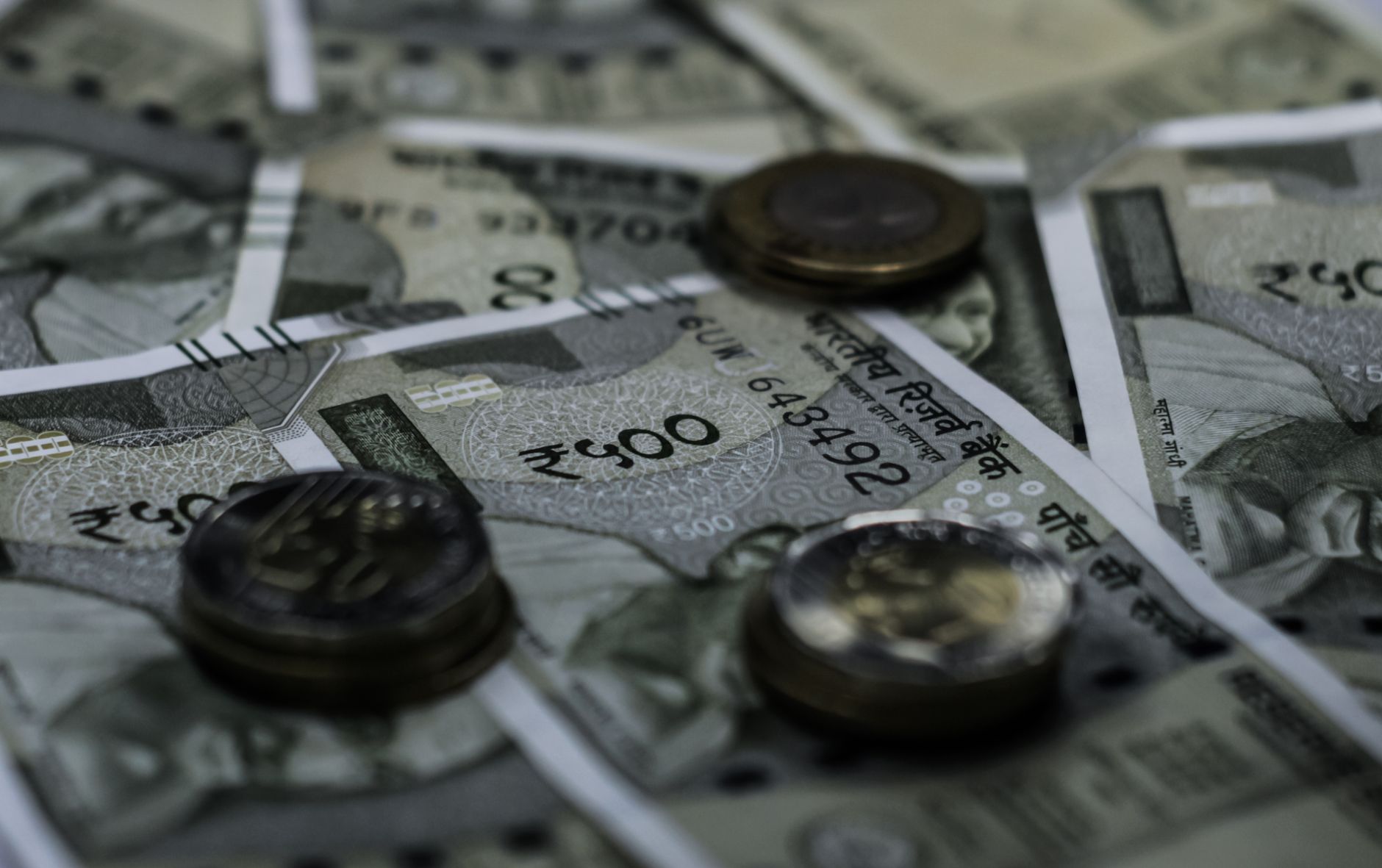
India US trade pact is currently undergoing legal drafting, according to Piyush Goyal, who announced that the first tranche has been finalized.
Overview of the India US Trade Pact
The ongoing negotiations for the India US trade pact have reached a significant milestone, as highlighted by Union Minister Piyush Goyal. He announced that the first tranche of the agreement has been finalized and is currently undergoing legal drafting. This development marks a pivotal moment in the collaboration between the two nations, aimed at enhancing economic ties and fostering mutual growth.
The India US trade pact is expected to bring numerous benefits to both economies. Key objectives of the agreement include:
- Reducing trade barriers: The pact aims to eliminate tariffs and promote smoother trade flows.
- Boosting investments: It encourages increased foreign direct investment from the US into India, benefiting various sectors.
- Strengthening supply chains: The agreement seeks to create resilient supply chains that can withstand global disruptions.
- Enhancing cooperation: It promotes collaboration in technology, innovation, and sustainability initiatives.
Overall, the India US trade pact represents a clear path to proven benefits, with both nations looking forward to a comprehensive agreement that will solidify their economic partnership and drive growth in the years to come.
Legal Drafting Process Explained
The legal drafting process of the India US trade pact is a critical phase that ensures all agreements are clearly articulated and enforceable. According to Piyush Goyal, the process is currently underway, with the first tranche of the pact already finalized. This phase involves several key steps, each designed to uphold the integrity and intentions of the agreement.
- Stakeholder Consultation: Before drafting begins, it is essential to gather input from various stakeholders, including industry experts, legal advisors, and trade representatives. This helps in identifying potential challenges and areas of concern.
- Drafting the Agreement: Legal experts work meticulously to create a draft that reflects the agreed terms. This document outlines the rights and obligations of both parties, ensuring mutual understanding.
- Review and Revisions: The draft undergoes multiple reviews, allowing for necessary revisions. Feedback from both Indian and American legal teams is vital to ensure compliance with their respective laws.
- Final Approval: Once all parties are satisfied with the draft, it will be presented for final approval. This step is crucial before the official signing of the India US trade pact.
Efficient legal drafting is essential for realizing the clear path to proven benefits outlined in this pivotal agreement.
Piyush Goyal’s Remarks on Trade
Piyush Goyal, India’s Commerce and Industry Minister, recently addressed the ongoing discussions surrounding the India US trade pact, emphasizing its significant potential for both nations. He stated that the legal drafting of the agreement is progressing smoothly, with the first tranche already finalized. Goyal expressed optimism about the benefits the trade pact could bring, not just in terms of economic growth but also in fostering stronger bilateral relations.
In his remarks, Goyal highlighted several key areas where the India US trade pact is expected to create opportunities:
- Boosting Exports: The agreement aims to enhance market access for Indian goods in the US, thereby increasing exports.
- Job Creation: With expanded trade, industries in both countries are likely to see job growth as businesses scale up operations.
- Investment Opportunities: The pact is anticipated to attract greater foreign direct investment, particularly in sectors like technology and manufacturing.
Goyal reiterated that the trade pact is not merely a formal agreement but a pathway to proven benefits that can uplift economies and improve lives in both India and the United States.
Implications for International Relations
The recent developments surrounding the India US trade pact signal a significant shift in international relations between the two nations. This agreement, once finalized, is expected to enhance economic ties and foster closer collaboration across various sectors.
One of the key implications of this trade pact is the potential for increased investment flows. Businesses from both countries are likely to see new opportunities, leading to job creation and economic growth. Furthermore, the pact could pave the way for enhanced cooperation in technology and innovation, benefiting industries such as information technology and pharmaceuticals.
Moreover, the India US trade pact is likely to strengthen strategic alliances in the Indo-Pacific region. By bolstering economic ties, both nations can work more closely on security issues, countering regional challenges posed by other global powers.
As the legal drafting process continues, it is essential for policymakers to consider the broader implications of this pact. Maintaining a balance between economic interests and diplomatic relations will be crucial for ensuring long-term benefits. In conclusion, the India US trade pact serves not only as a means for economic growth but also as a catalyst for deeper international collaboration.
Photo by Ravi Roshan on Pexels
Where this came from
Related reading
Gabriel’s Law: A Proven Step Towards Child Protection · XL Bully dog law: Clear changes to pet ownership rules · State Bank Parity Rule: The Smart Path to Interstate Services
About the Author