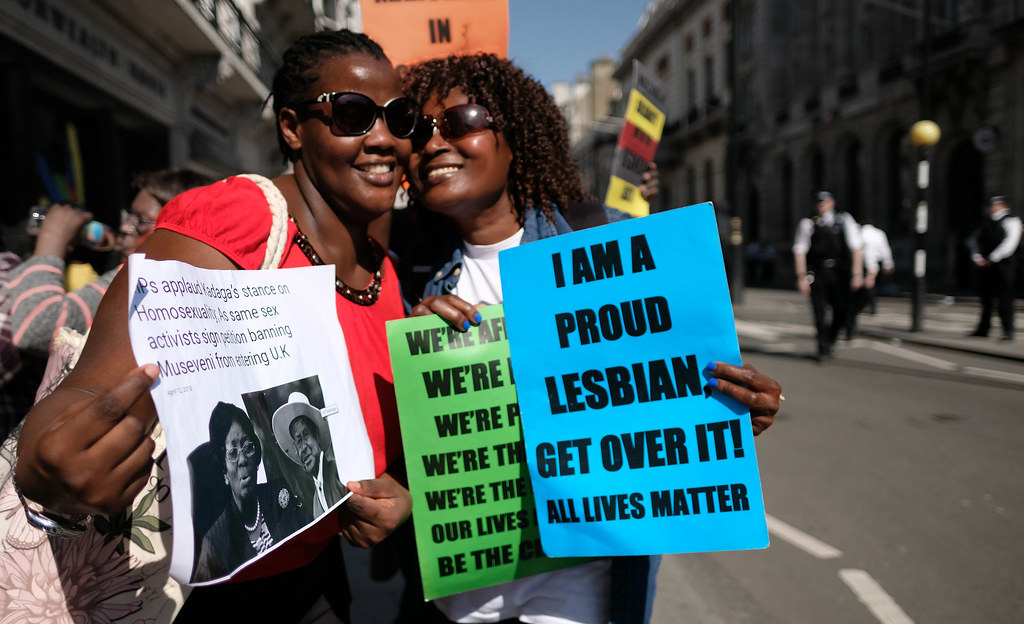
Women’s Rights Criminal Laws are being examined closely following a CIC order for inspection of NCW consultation records. This development raises important questions about legal protections and advocacy efforts.
Overview of Women’s Rights in New Laws
The recent amendments in criminal laws have sparked significant discussions surrounding women’s rights. These changes aim to enhance protections for women and address various forms of violence and discrimination more effectively. The legal landscape is evolving to ensure that women’s rights are acknowledged and upheld within the justice system.
Key insights into these new laws include:
- Increased Penalties: Stricter penalties for crimes such as domestic violence, sexual assault, and trafficking are now in place, reflecting a serious commitment to safeguarding women’s rights.
- Enhanced Reporting Mechanisms: New provisions encourage women to report crimes, ensuring that they are met with sensitivity and urgency.
- Legal Support Services: The introduction of support services aims to assist women through the legal process, providing them with necessary resources and guidance.
The recent orders by the Central Information Commission (CIC) to inspect consultation records of the National Commission for Women (NCW) highlight the importance of transparency in shaping these new laws. Ensuring women’s rights within criminal laws not only fosters justice but also promotes a safer environment for all women in society.
CIC’s Role in Legal Oversight
The recent changes in women’s rights criminal laws have prompted various organizations to take a more active role in legal oversight. One such organization is the Central Information Commission (CIC), which has been instrumental in ensuring transparency and accountability in the legislative process. The CIC has ordered an inspection of the National Commission for Women (NCW) consultation records to ascertain how women’s rights were considered during the formulation of new criminal laws.
This inspection is vital as it aims to uncover any discrepancies in the consultation process that could impact women’s rights. The CIC’s involvement highlights the importance of thorough scrutiny in legal reforms, especially those affecting vulnerable populations.
Key aspects of the CIC’s role include:
- Ensuring Transparency: The CIC promotes transparency in the decision-making process regarding women’s rights criminal laws.
- Accountability: By reviewing NCW records, the CIC holds institutions accountable for their actions and recommendations.
- Empowerment: The CIC empowers women by advocating for their rights and ensuring their voices are heard in legislative matters.
Impact of NCW Consultation Records
The recent order by the Central Information Commission (CIC) to inspect the National Commission for Women (NCW) consultation records has significant implications for women’s rights criminal laws. This move aims to enhance transparency and accountability in how women’s issues are addressed within the legal framework.
The CIC’s decision follows concerns about the adequacy of consultation processes involving women’s rights organizations and stakeholders. By scrutinizing these records, the CIC hopes to ensure that the voices of women are adequately represented in the formulation of new criminal laws.
Key impacts of this inspection may include:
- Enhanced Transparency: Public access to consultation records can shed light on the decision-making process.
- Improved Legal Framework: Insights gained from these consultations could lead to more effective women’s rights criminal laws.
- Increased Stakeholder Engagement: Encouraging broader participation from various organizations may strengthen legal protections for women.
As society continues to evolve, it is crucial to ensure that the legal structures reflect the needs and rights of women effectively.
Recent Changes in Criminal Law
Recent changes in criminal law have significantly impacted women’s rights, reflecting a growing awareness of gender-related issues within the legal framework. Recent legislative adjustments aim to address various challenges women face in society, particularly concerning violence, harassment, and discrimination.
The introduction of more stringent penalties for crimes against women is one of the key developments. These changes seek to provide better protection and ensure justice for victims. Moreover, the amendments also include provisions for quicker trials in cases involving crimes against women, aiming to alleviate the prolonged suffering that often accompanies legal proceedings.
In addition, there has been an emphasis on educating law enforcement personnel about women’s rights. This is crucial in ensuring that the newly implemented laws are enforced appropriately and that victims receive the support they need.
Furthermore, the role of organizations like the National Commission for Women (NCW) has become more prominent, as they advocate for the effective implementation of these laws. Overall, these recent changes in criminal law are a step toward enhancing women’s rights and safeguarding their dignity in society.
Advocacy for Women’s Rights
Advocacy for women’s rights has gained significant momentum in recent years, especially in the context of recent changes to criminal laws. Various organizations and activists have tirelessly worked to highlight the need for reforms that address the unique challenges faced by women in the legal system.
One of the pivotal aspects of this advocacy is the push for more inclusive and comprehensive women’s rights criminal laws. These laws aim to protect women from violence, discrimination, and inequality, ensuring that their voices are heard in legal matters.
Key stakeholders in this movement include:
- Non-governmental organizations (NGOs): Actively working to raise awareness on women’s issues and drive policy changes.
- Legal experts: Providing insights and recommendations for effective legal frameworks that support women’s rights.
- Community leaders: Mobilizing grassroots support and advocating for women’s rights at local levels.
The collective effort of these groups has been instrumental in shaping public discourse and influencing policymakers to consider the importance of women’s rights in criminal laws.
Legal Protections for Women
In light of recent amendments to criminal laws, there has been a significant focus on enhancing legal protections for women. These changes aim to address the unique challenges faced by women in the legal system and ensure that their rights are upheld. The introduction of stricter penalties for gender-based violence is a crucial step toward creating a safer environment for women.
Moreover, the establishment of specialized courts to handle cases related to women’s rights is a notable development. These courts are designed to provide a more sensitive approach to legal proceedings, allowing for a better understanding of the complexities involved in such cases.
Additionally, the integration of comprehensive training programs for law enforcement officials is vital. Such initiatives focus on educating officers about the importance of women’s rights within criminal laws, ensuring that they are equipped to handle sensitive situations with care and respect.
Overall, these legal protections signify a shifting attitude towards the importance of women’s rights, fostering a more just and equitable legal framework for all.
Public Response to New Laws
The recent changes in women’s rights criminal laws have sparked significant public response across various sectors of society. Many individuals and organizations have expressed support for the progressive measures aimed at enhancing legal protections for women.
In a survey conducted by several advocacy groups, a majority of respondents indicated that they believe the new laws are a step in the right direction. Key findings include:
- Increased Awareness: Many people are now more informed about women’s rights and the legal frameworks designed to protect them.
- Community Support: Local organizations are mobilizing to educate the public on the implications of the new laws.
- Concerns Remain: Some groups have raised concerns regarding the implementation of these laws, emphasizing the need for rigorous enforcement.
Moreover, social media platforms have become a vibrant space for discussions surrounding women’s rights criminal laws, with users sharing personal stories and advocating for continued reforms. This engagement demonstrates a growing recognition of the importance of legal protections for women in society.
Future of Women’s Rights Legislation
The future of women’s rights legislation appears optimistic as advocates continue to push for more comprehensive reforms in criminal laws. Recent discussions have highlighted the necessity for a robust framework that not only addresses current challenges but also anticipates future needs. As society evolves, so too must the legal protections afforded to women.
Key stakeholders, including legal experts and women’s rights organizations, are advocating for the incorporation of more inclusive policies that reflect the diverse experiences of women. This includes addressing issues such as domestic violence, sexual harassment, and workplace discrimination through targeted legislative measures.
Furthermore, ongoing collaboration between governmental bodies and civil society is crucial for the development of effective oversight mechanisms. The role of organizations like the National Commission for Women (NCW) in gathering data and feedback will be essential in shaping future policies. As these discussions progress, it is important for lawmakers to prioritize women’s rights within the broader context of criminal laws, ensuring that all legal frameworks are equitable and just for everyone.
Ultimately, the commitment to women’s rights in criminal laws will define the trajectory of gender equality in society.
Recent developments in Women’s Rights Criminal Laws have sparked significant public discourse and advocacy. Understanding these changes is crucial for ensuring that Women’s Rights Criminal Laws effectively protect and empower women in society.
By alisdare1 via Openverse
Where this came from
Related stories
Boosting Benefits for Seniors: The Proven Impact on Retirees · Telecom interconnection rules: Clear changes coming in 2027 · Is Jibar’s Legal Contracts Fix the Right Solution?
About the Author