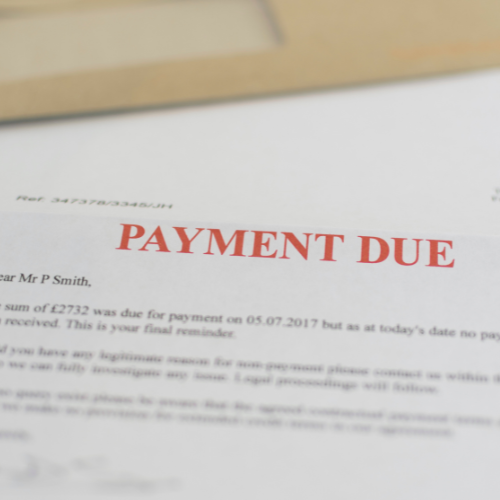
Timely payments are also essential in business and personal transactions as they help to keep trust and finances intact. But in a case where an individual does not settle his or her debt irrespective of numerous attempts given to him to pay; a legal notice will be the initial move in regaining your money.
A properly written legal notice is not only able to convey seriousness, but is also used as evidence in subsequent court cases. Awareness of how to issue a legal notice to non-payment of dues, to write a legal notice, the legal period of notice, and the influence of legal notice lawyers in recovering the written notice will be understood.
What Is a Legal Notice for Non-payment of Dues?
A legal notice is a written document dispatched by one party to another, in which he cautions the party that he will take legal action in case a certain demand is not fulfilled within a given period. When payment of dues is not carried out, it notifies the debtor that s/he has to clear the outstanding dues within the stipulated legal notice period otherwise the sender may take legal action.
It may be in the form of unpaid invoices, loans, arrears of salary, rent or business dues, a legal notice is a necessary step prior to initiating a legal action. The correct message is achieved through proper drafting of legal notice to make sure that the message is clear legally and it cannot be misinterpreted.
When should you send a legal notice?
A legal notice can be sent in the following instances due to non-payment of dues:
- In the event the debtor will not clear the payment even after being reminded verbally or in writing.
- In case of bounced cheques, and the sum is not paid.
- In situations where the business partners, clients, or customers do not pay the goods or services given.
- In cases of tenants or employees being in debt at the end of the termination or end of the contract.
Where this occurs, the legal notice lawyers will assist you to establish the appropriate action and legal notice writing format that can facilitate conformity to law.
Significance of Sending a Legal Notice
This purpose of sending a legal notice is several-fold:
- Filed Intent: It makes known to the other party the matter and your plan to proceed to litigate.
- Deters Settlement: A large number of disputes can be resolved after a legal notice has been received without the need to go through a lengthy and expensive litigation.
- The notice is also a Proof of an attempt to resolve the issue over the friendly side before going to court.
- Guarantees Your Legal Rights: By submitting a legal notice, your legal rights are safeguarded throughout the legal notice.
- A legally prepared notice would raise the probabilities of paying on time, and your case would not be distorted in the technical part of the case.
Important Components of a Legal Notice
The legal notice drafting should also consist of the following important points:
- Name and Address of Both Parties: Full identification of the sender and the recipient.
- Facts of the Case: A comprehensive but chronological account of the transaction and payment due.
- Legal Obligation: allusion to the agreement or contract that was breached by the debtor.
- Payment Requirement: Precise payment due and method of payment anticipated.
- Legal Notice Period: A definite period within which the demand should be met (typically 15 to 30 days).
- Threat of Litigation: The threat should be clearly stated that the failure to pay within the stipulated legal notice would lead to litigation.
Legal notice attorneys make sure that all these aspects are correctly phrased and correspond to the existing laws.
The Drafting of Legal Notice Process
To draft a legal notice, the process must have a balance of legal correctness and persuasion. Here’s how it works:
1. Consultation
Discuss the debtor with a qualified legal notice lawyer and tell him about the facts, sum of money owed, and communication history.
2. Document Verification
Provide supporting documents like invoices, bank statements, agreements or emails that prove the debt.
3. Drafting the Notice
The legal notice attorney develops an official writing hours of the claim, legal justification, and money needs in a particular duration of legal notice.
4. Review and Finalization
The client goes through the draft, and verifies the accuracy of the draft and dispatches it.
5. Sending the Legal Notice
The delivery of the legal notice is made via registered post, courier or email, with the delivery being proven to form legal records.
6. Waiting for Response
The debtor should act or pay within the legal notice. Otherwise, the second step would be to file a civil or criminal lawsuit, depending on the case.
Legal Notice Period and Follow-up
Legal notice period refers to the amount of time within which the recipient is supposed to make a move otherwise legal action will follow. It can be 15-30 days or so, based on the character of the dispute and the existing laws.
For example:
- Legal notice in cases of cheque bounties under Section 138 of Negotiable Instruments Act is 15 days.
- It is usually 30 days in contract breach or recovery issues.
Failure to respond or to pay within this period by the debtor would cause your lawyer of law to proceed with a civil suit to recoup or criminal complaint depending on the circumstances of the case.
How LawChef Can Help?
Our team of expert legal notice lawyers at LawChef drafts legal notices of any kind – business dues case to cheque bouncing, breach of contract, and other cases. We make sure that your legal notice is factual, compelling, and in accordance with the procedural provisions.
The need to send a legal notice of non-payment, to work out the right legal notice period, or to file a law suit, LawChef offers an end-to-end legal service, which can ensure the recovery of your money in the most efficient way.
Conclusion
A legal notice is more than a letter it is your first and most effective step towards getting payment in the form of legal action of unpaid dues. By ensuring that your legal notice is well drafted and with the help of expert law notice lawyers, you are sure to ensure that your financial interests remain intact and unwarranted wrangles are avoided.
Remember to send a legal notice about non-payment of dues? Ask the professional lawyers of LawChef to draft legal notices, communicate effectively, and assist you in the entire legal notice process, so that your rights are not violated and the money is refunded.
About the Author